Top 7 Baseboard Moudling Style
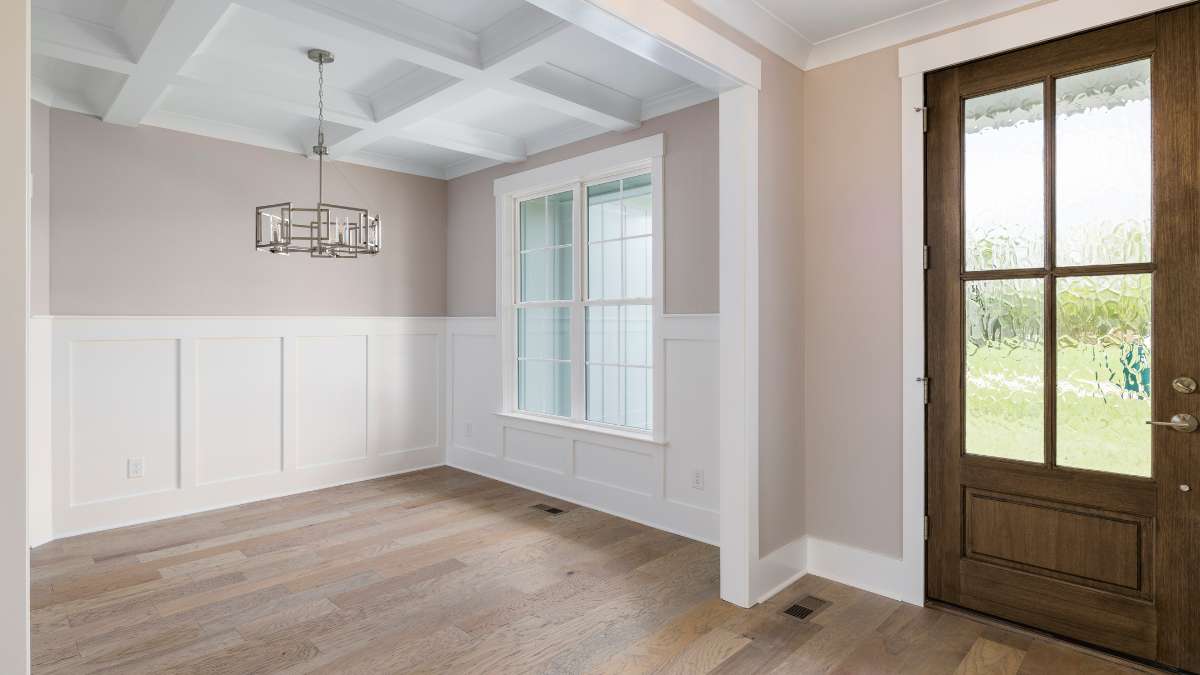
Welcome to the world of home renovations! When you look at an empty room, you probably stare at the walls, the flooring, and maybe the ceiling. But what about the space where the wall meets the floor? That little transition zone does a lot of heavy lifting for your interior design.
Baseboards protect your drywall from vacuum cleaners and scuff marks, but they also tie the whole room together and give it a finished, polished look.
Finding the Best baseboard mould is like picking the perfect belt for an outfit. It might seem like a small detail, but it changes the entire vibe of the space.
Whether you are remodeling a historic home or building a sleek new condo, the right trim makes a massive difference. Let’s dive into the top options you can choose from today so you can find the perfect match for your home.
Best Baseboard Mould Style
If you are hunting for the ideal trim, you will quickly notice there are dozens of profiles on the market. Do not let the lumber aisle overwhelm you. We have narrowed down the list to the top seven styles that designers and homeowners love most.
Here is a quick look at some of the most popular profiles before we break them down in detail:
1. The Flat, Modern Profile
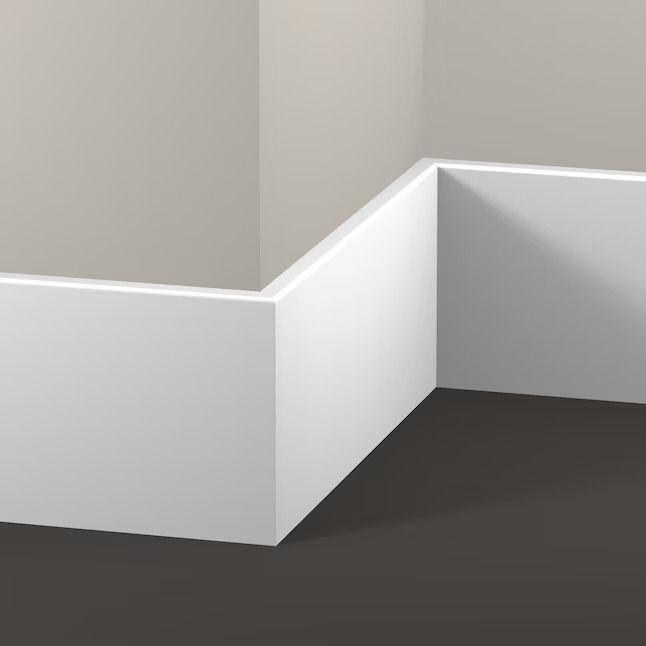
If you love clean lines and minimal fuss, the flat baseboard is calling your name. This style is literally just a flat piece of wood or MDF with a squared-off top. There are no curves, no steps, and no intricate details. It sits flush and looks incredibly sharp. Modern homes and minimalist apartments look fantastic with flat moulding because it does not distract from the rest of your decor. Plus, it is incredibly easy to dust!
2. The Stepped Baseboard
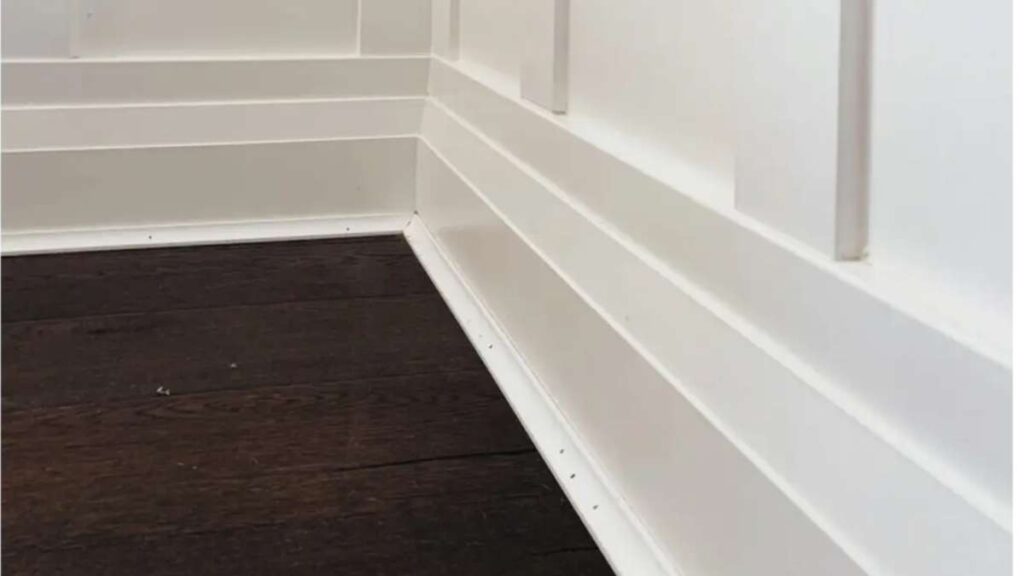
Do you want something with a little more dimension than a completely flat board? The stepped baseboard is a fantastic middle ground. The top edge features a slight step down, almost like a tiny staircase profile. It gives a subtle nod to Art Deco design while remaining completely understated. It is a very versatile option that works well in transitional homes, bridging the gap between contemporary and traditional interiors flawlessly.
3. The Classic Craftsman
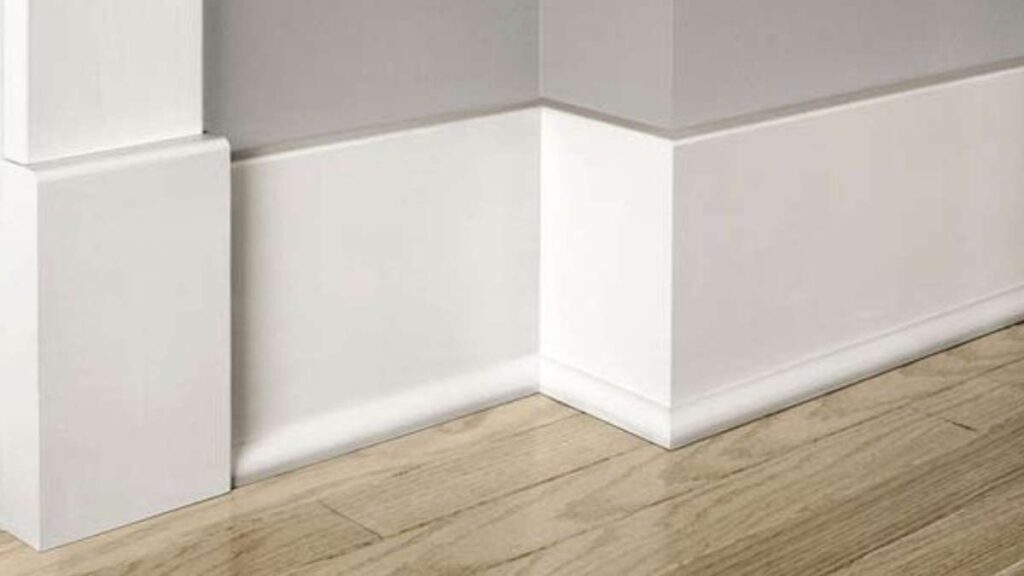
Craftsman homes are known for their sturdy, beautiful woodwork. Craftsman baseboard trim usually features a relatively flat main body, but it is topped with a simple, slightly angled or rounded cap. It is thicker and more substantial than standard modern trim. This style brings a sense of warmth and handmade quality to a room. If you are using natural wood stains instead of white paint, Craftsman styling truly shines and highlights the natural grain of the timber.
4. The Tall Victorian
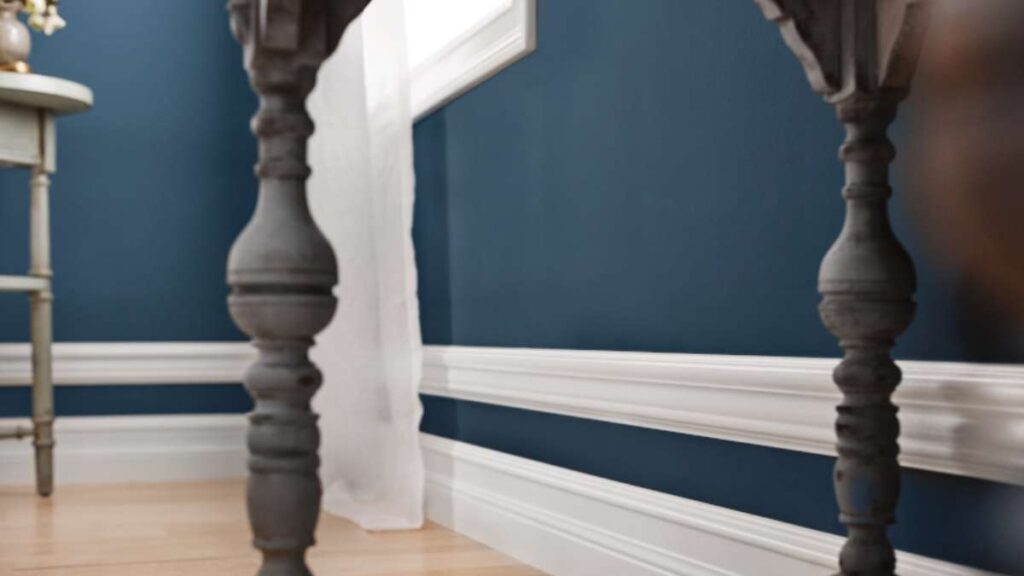
Sometimes, bigger really is better. Victorian-style baseboards are tall, dramatic, and packed with ornate curves. They often reach six to eight inches high or even more. If your home has high ceilings and large rooms, a tall baseboard grounds the space beautifully. Short baseboards in a massive room can look out of proportion. A tall Victorian profile adds immediate elegance and historical charm. Just keep in mind that these require a bit more maintenance when it comes to keeping those intricate curves free of dust.
5. The Elegant Colonial
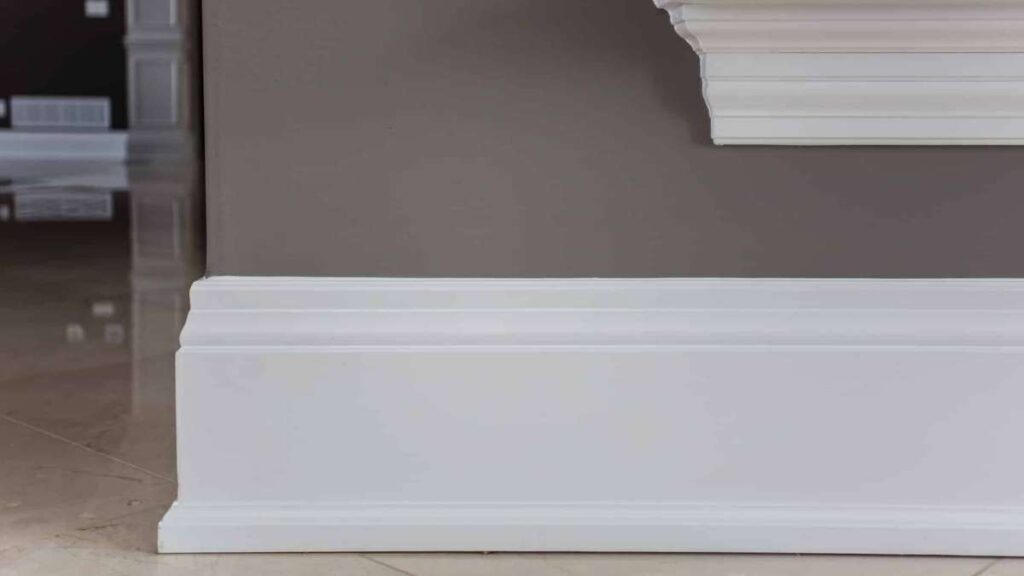
Colonial baseboards are probably what you picture when you think of standard traditional home trim. They usually feature a flat lower section with a gently sloping, curved profile at the top. It is a timeless look that has been popular for decades. You really cannot go wrong with Colonial styling because it fits into almost any standard suburban home beautifully. It is readily available at any hardware store, making it a very budget-friendly and practical choice for quick room updates.
6. The Quarter Round and Shoe Moulding Combo
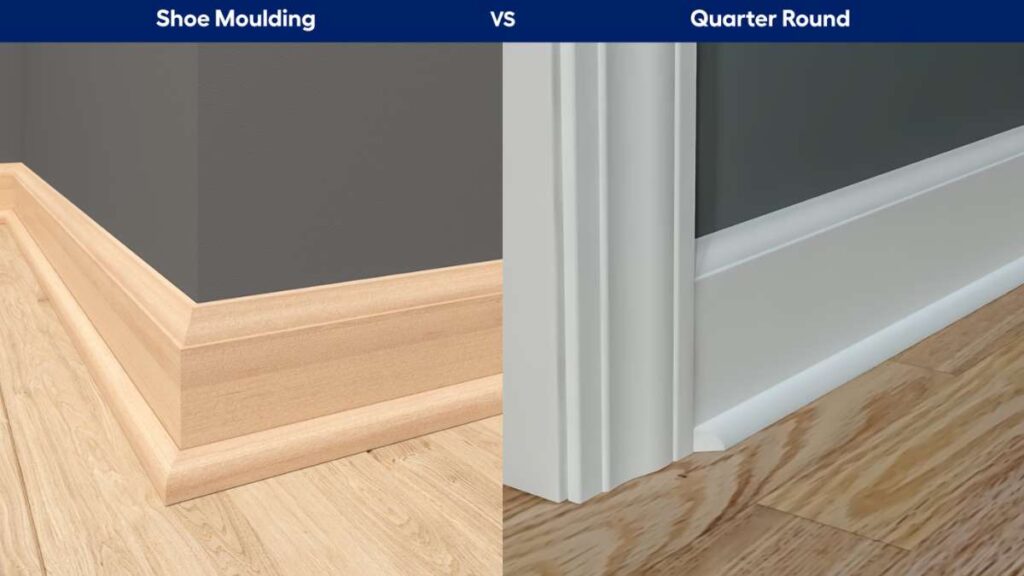
Okay, this one is technically an addition to a baseboard, but it is a crucial style choice. Sometimes a standard baseboard leaves a tiny gap between the wood and an uneven floor. Adding a small, curved quarter round or shoe moulding at the very bottom creates a finished, professional look. Many homeowners choose to pair a very simple baseboard with a shoe mould to create a custom two-piece style. It is a practical solution that also adds a lovely layer of architectural interest to the floor line.
7. The Retro Clamshell
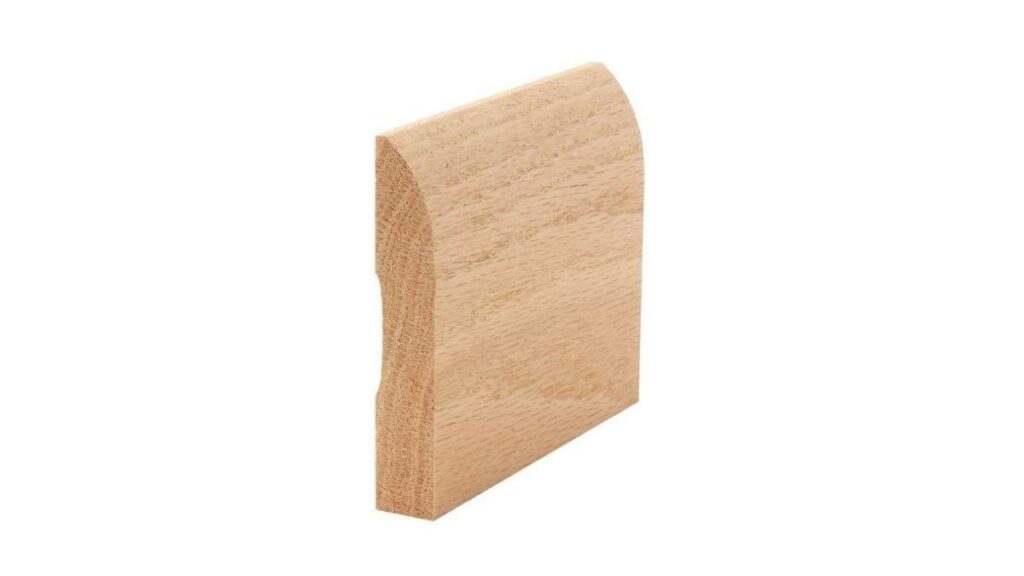
If you have ever walked into a house built in the 1950s or 1960s, you have definitely seen clamshell moulding. The profile curves gently outward at the top and then tapers down flat. It literally resembles the smooth edge of a clam shell. While it fell out of favor for a few decades, it is making a fun comeback in retro and mid-century modern restorations. It is soft, approachable, and lacks any sharp corners, making it a very relaxed choice for casual living spaces.
Conclusion
Choosing the right trim does not have to be a stressful chore. Once you understand the basic profiles, you can easily match them to your home’s architecture and your personal taste. Whether you decide to go with a towering, ornate Victorian profile or keep things sleek with a flat modern cut, that little strip of wood will completely transform your room.
Take your time, buy a few small sample pieces, and prop them up against your walls at home. Seeing the shadows and proportions in your own lighting will give you absolute confidence in your decision. Happy renovating, and enjoy the beautiful new look of your freshly trimmed rooms!