Top 7 Molding Styles for Your Inspiration
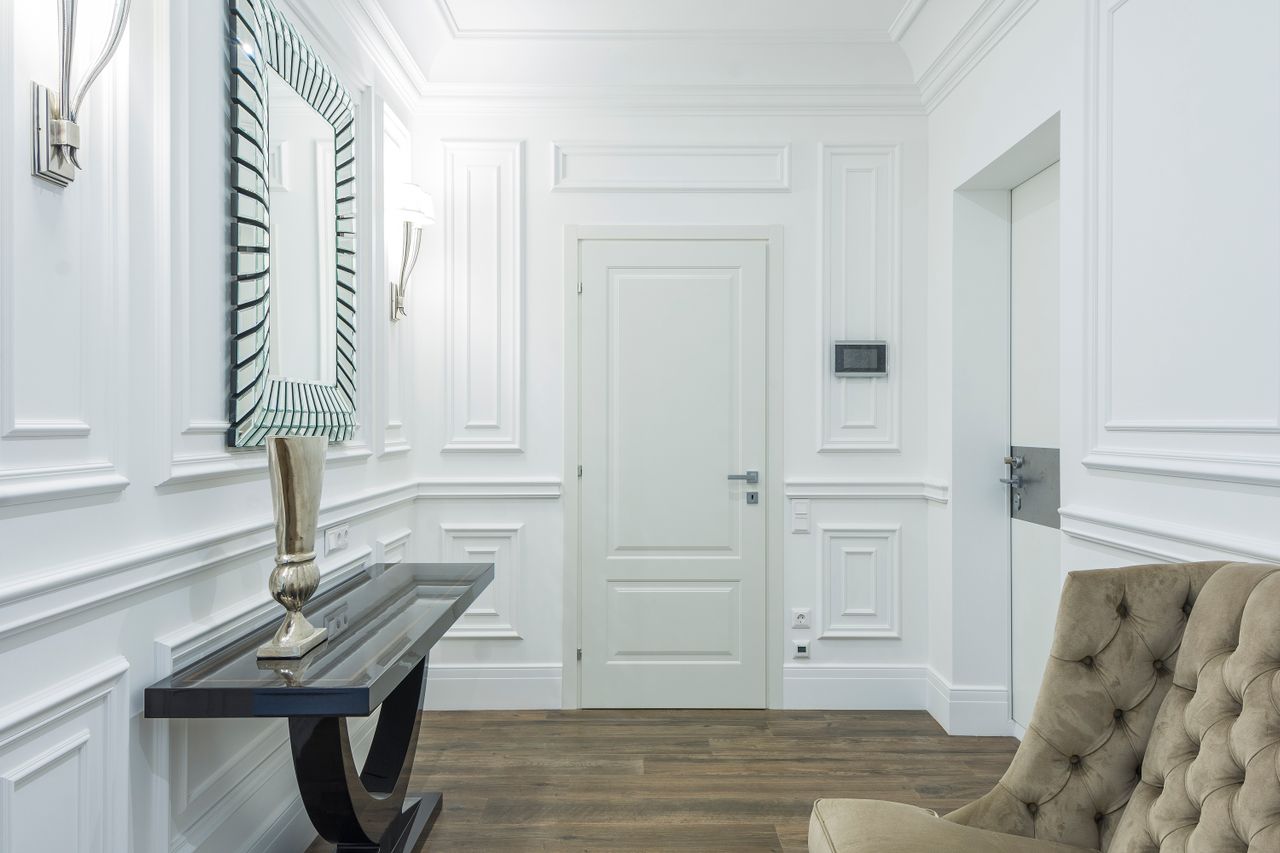
If you’ve ever walked into a home and felt like something about the room just worked, there’s a good chance molding had something to do with it. Molding is one of those details that people don’t notice until it’s missing..
Top 7 Baseboard Moudling Style
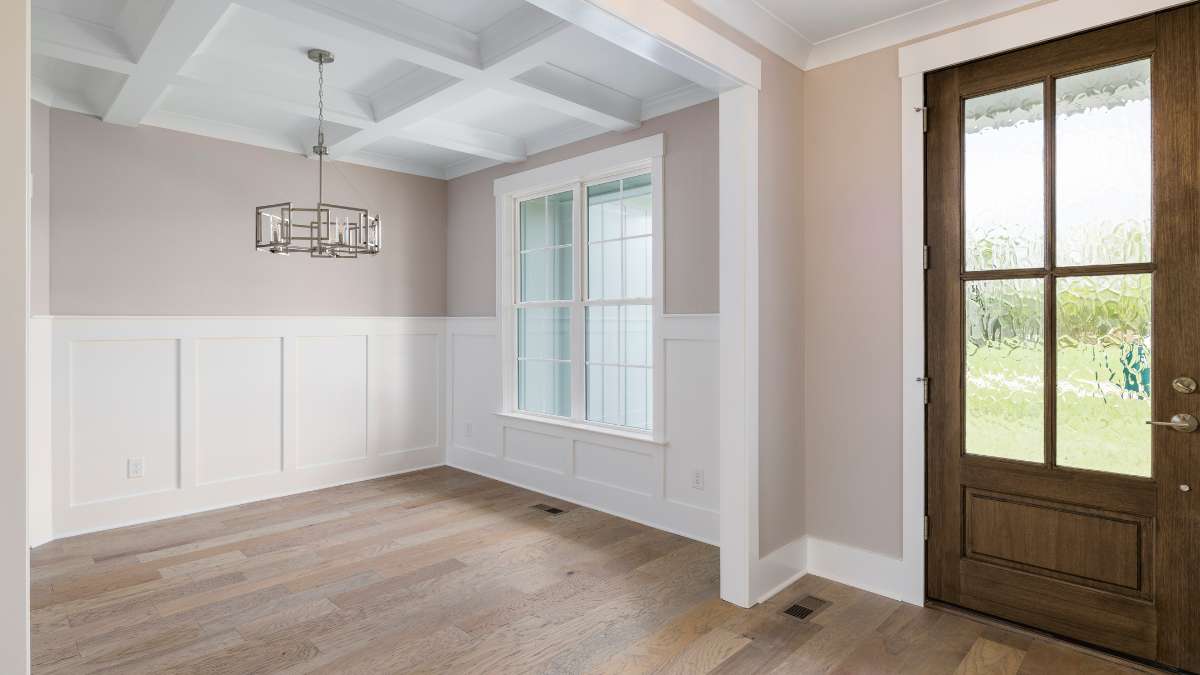
Welcome to the world of home renovations! When you look at an empty room, you probably stare at the walls, the flooring, and maybe the ceiling. But what about the space where the wall meets the floor? That little transition.
6 Best Gesso Primer for Cardboard
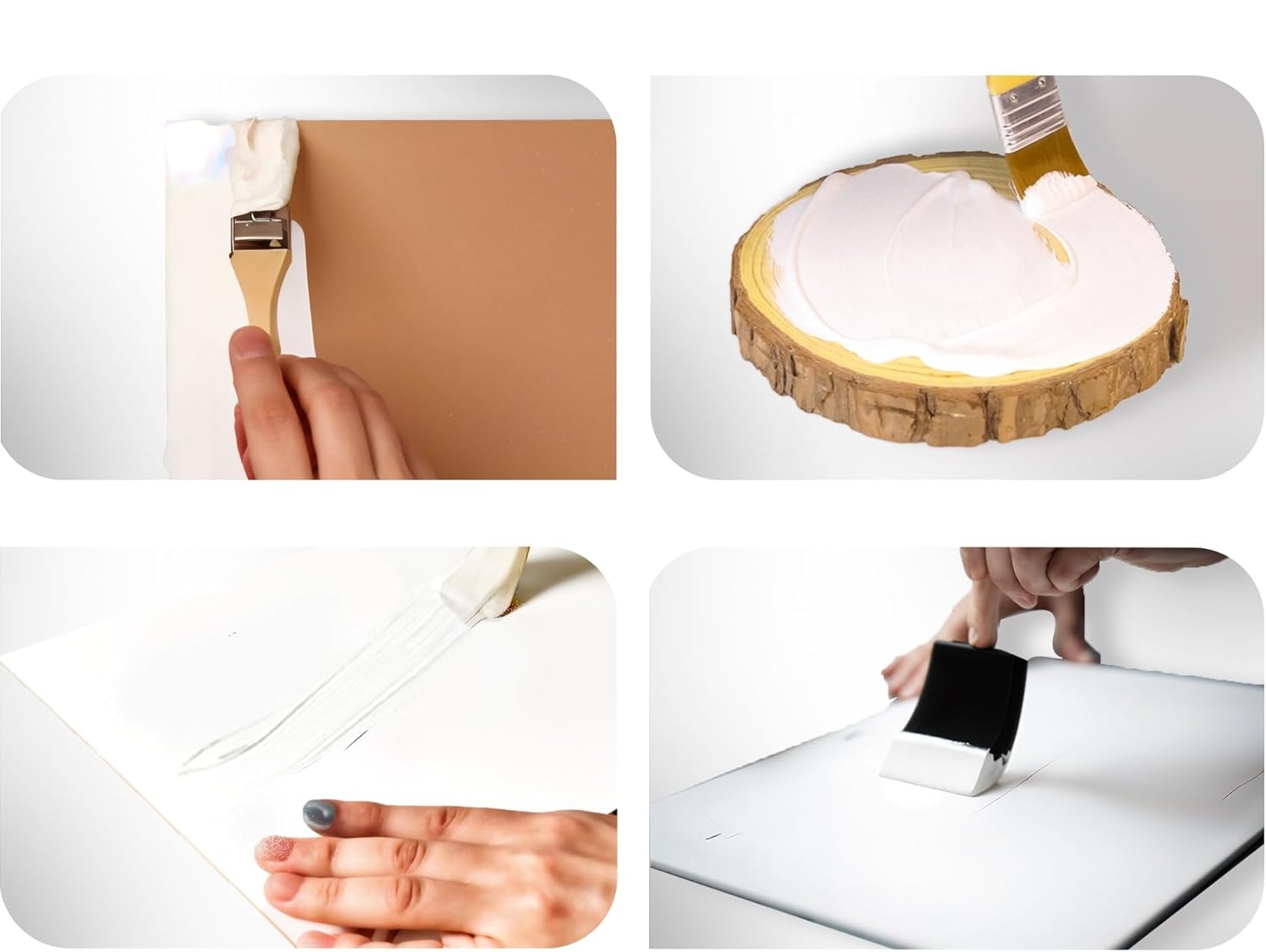
Cardboard doesn’t get nearly enough credit as a painting surface. It’s cheap, widely available, and surprisingly sturdy — and in the hands of a prepared artist, it can hold a painting just as well as a stretched canvas. The catch?.
5 Best Gesso Primer for Canvas
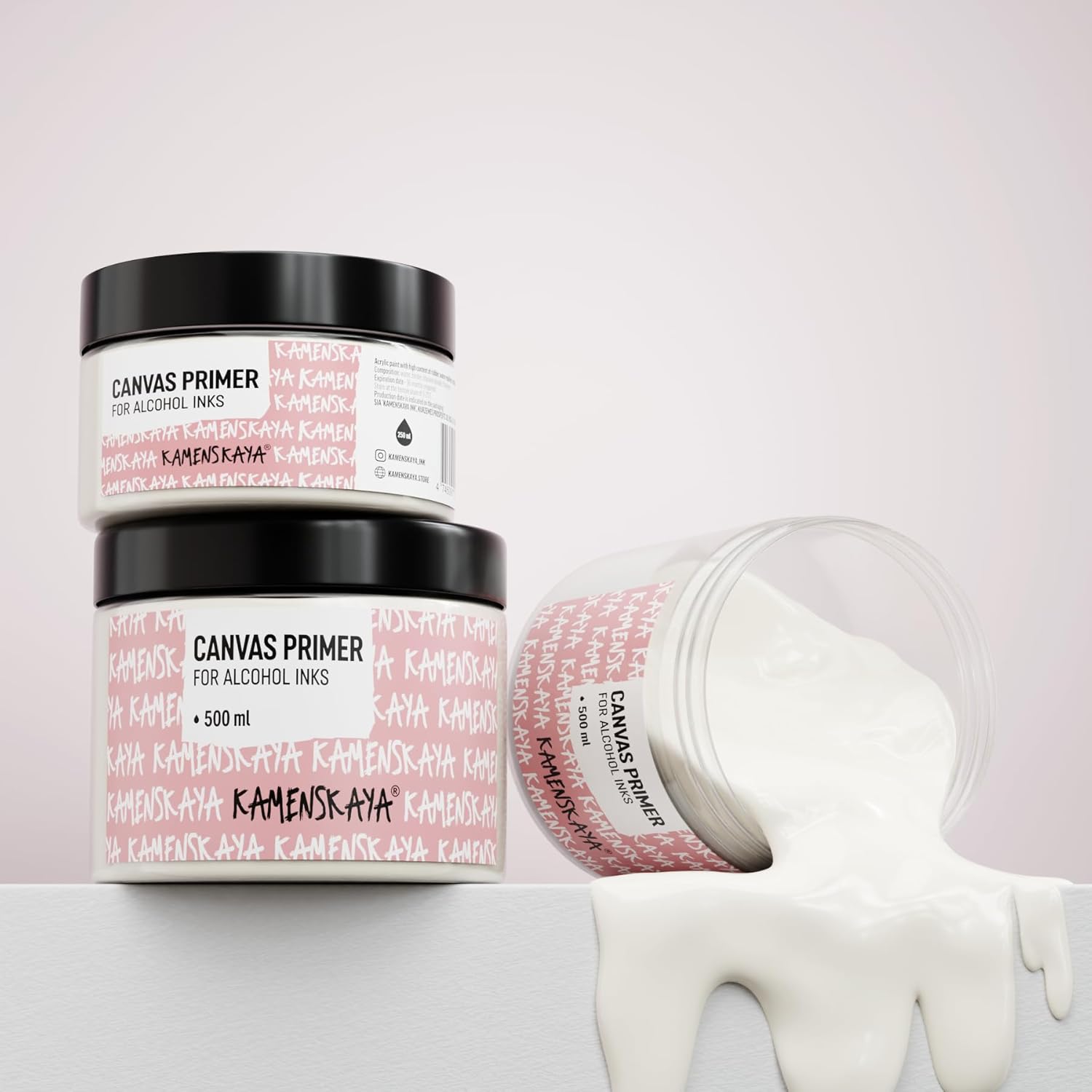
Let’s be honest, a great painting starts long before you pick up a brush. It starts with how you prepare your canvas. And if you’ve ever painted on an unprimed surface, you already know the frustration: paint absorbing unevenly, colors.
7 Best Clear Gesso Primer for Artists Who Want It All

You already know gesso is essential. But what if you want the benefits of a primed surface without losing the natural look of your canvas, wood grain, or textured paper underneath? That’s exactly where clear gesso primer comes in and.
5 Best Gesso Primer Acrylic for Every Artist
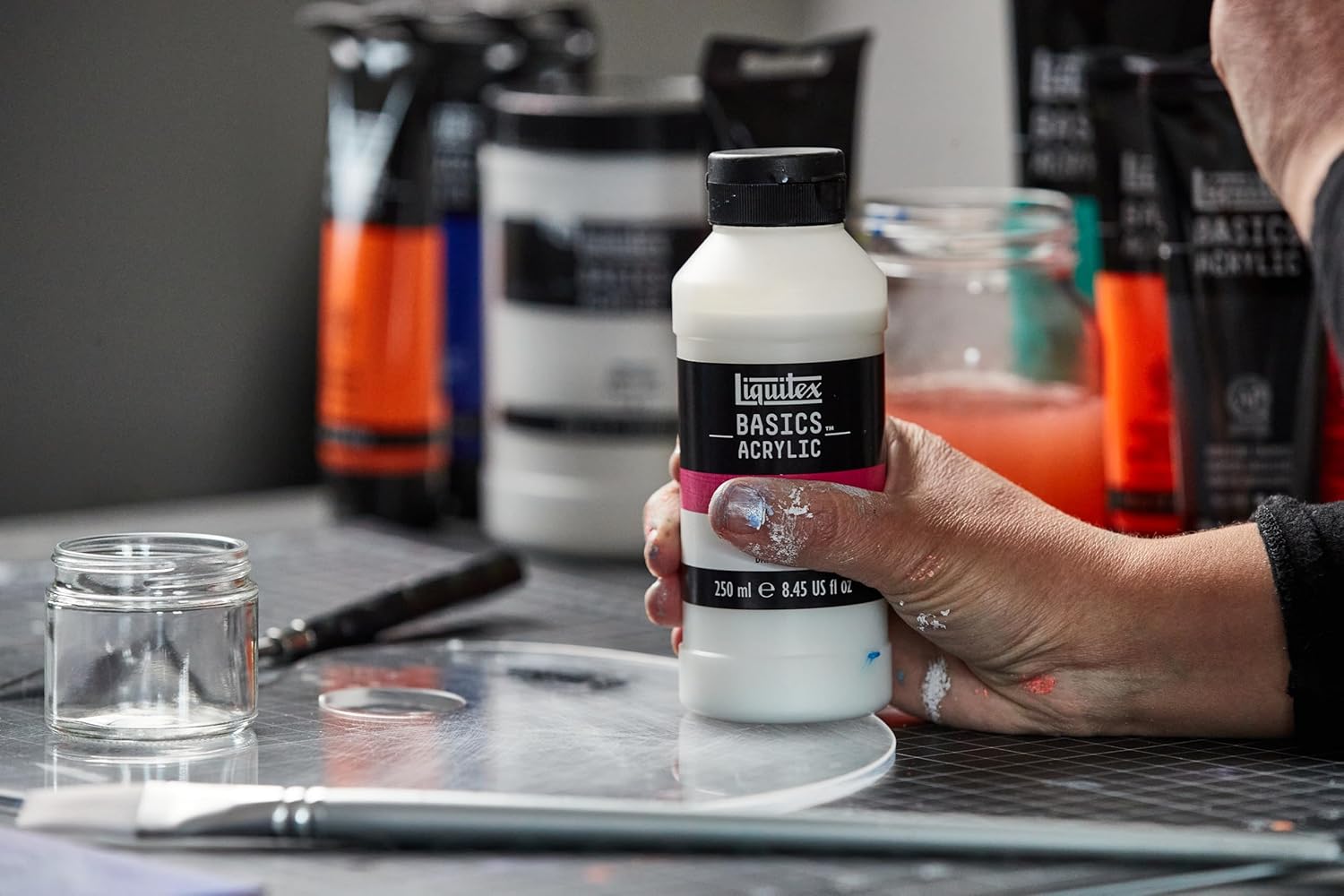
Whether you’re just getting started or you’ve been painting for years, one thing stays constant: the surface you paint on matters just as much as the paint itself. That’s what gesso primer acrylic for. It’s the unsung hero of a.