Top 7 Molding Styles for Your Inspiration
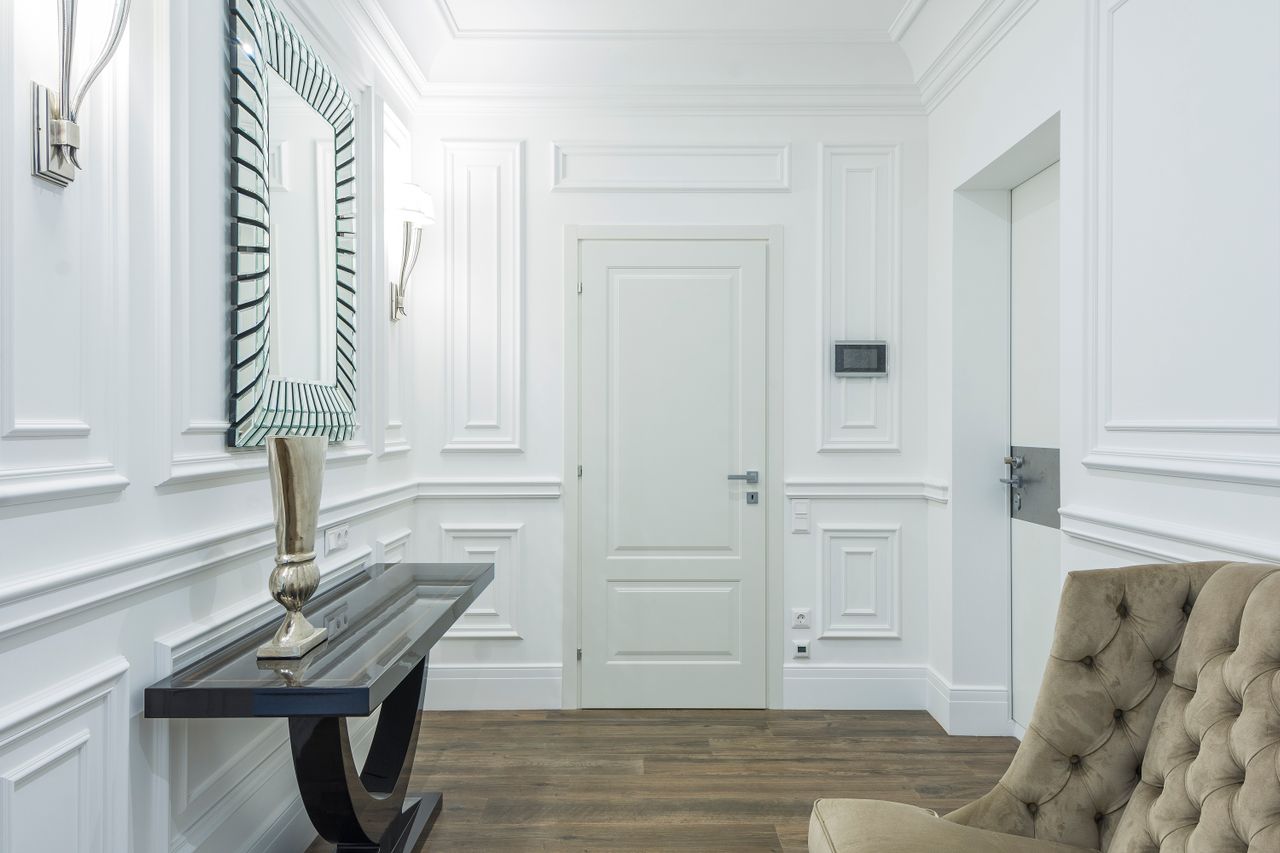
If you’ve ever walked into a home and felt like something about the room just worked, there’s a good chance molding had something to do with it. Molding is one of those details that people don’t notice until it’s missing. It frames doorways, dresses up ceilings, and gives walls a sense of finish they wouldn’t have otherwise.
The tricky part is that there isn’t just one type of molding. There are several, each with its own look, purpose, and personality.
If you’re planning a renovation or just trying to figure out what style fits your space, it helps to know your options. Here are seven molding styles worth knowing about, along with what makes each one work.
1. Crown Molding
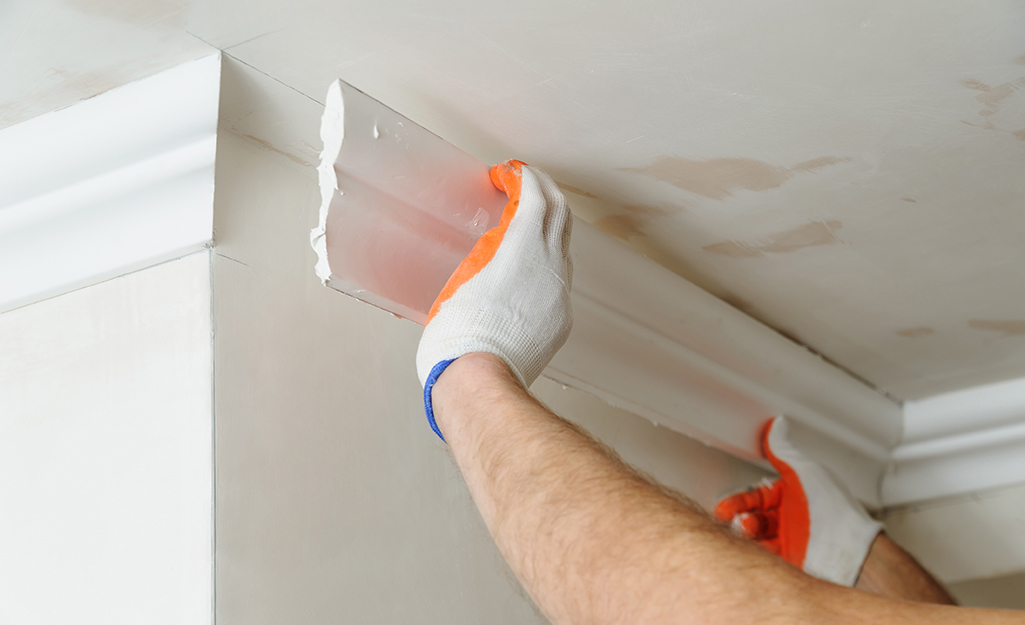
Crown molding is probably the first thing people picture when they hear the word “molding.” It sits at the point where the wall meets the ceiling, and it’s designed to soften that transition. Instead of a hard, plain corner, you get a decorative curve or angle that adds a bit of elegance to the room.
Crown molding comes in a huge range of widths and profiles, from simple and understated to elaborate and ornate. Wider, more detailed crown molding tends to suit formal rooms like dining rooms or living rooms, while simpler versions work well almost anywhere, including bedrooms and hallways.
2. Baseboard Molding
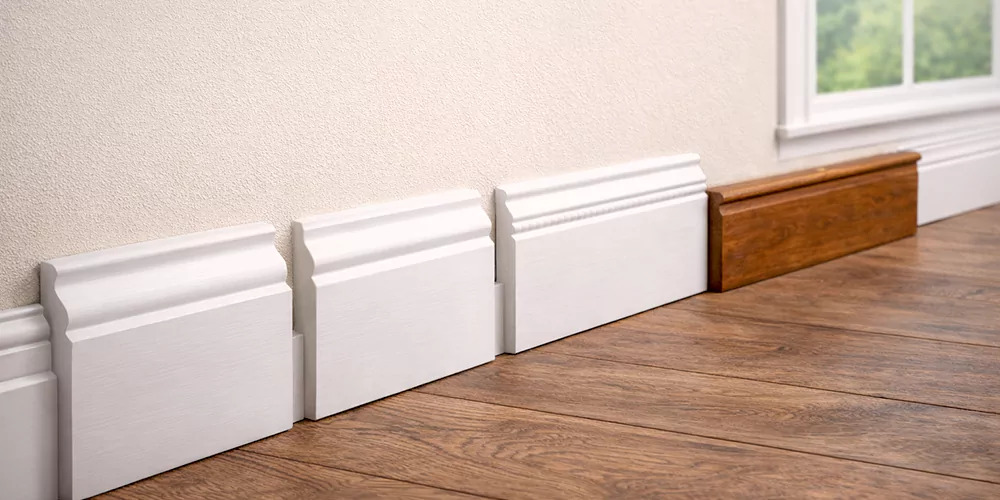
Baseboards run along the bottom of the wall, where it meets the floor. Their main job is practical. They protect the wall from scuffs, bumps, and the occasional vacuum cleaner collision. But they also do a lot for the overall look of a room.
Taller baseboards tend to read as more traditional or upscale, while shorter, flatter ones feel more modern and minimal. Matching your baseboard height and style to the rest of your trim work makes a room feel intentional rather than thrown together.
3. Chair Rail Molding
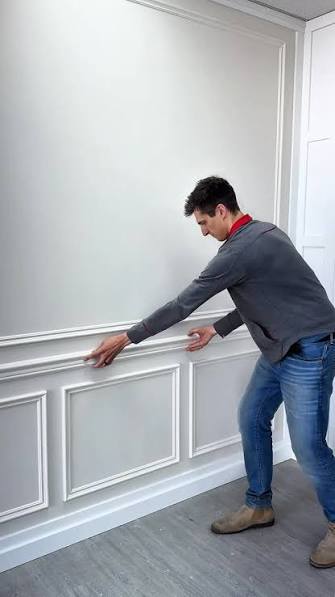
Chair rail molding gets its name from its original purpose, protecting walls from chair backs bumping against them. These days, it’s used just as much for style as for function. It runs horizontally along the wall, usually about a third of the way up from the floor.
Chair rail is a great way to divide a wall into two sections, which opens the door to some fun design choices. You might paint the bottom portion a darker color or add wallpaper below the rail while keeping the top plain. It’s a subtle but effective way to add depth to a room.
4. Picture Rail Molding
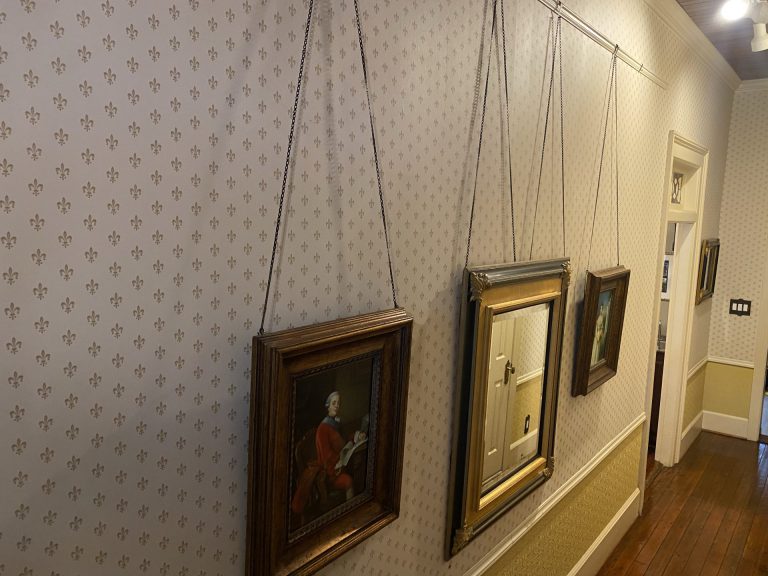
Picture rail molding sits higher up on the wall, closer to the ceiling but not quite touching it. Originally, it was used to hang picture frames using hooks and wire, which meant homeowners didn’t have to put nail holes directly into the wall or plaster.
While that practical use has faded somewhat, picture rail still shows up in older homes and in newer builds that want that classic, layered look. It adds visual interest without being as bold as crown molding, which makes it a nice option for rooms where you want detail without too much formality.
5. Panel Molding
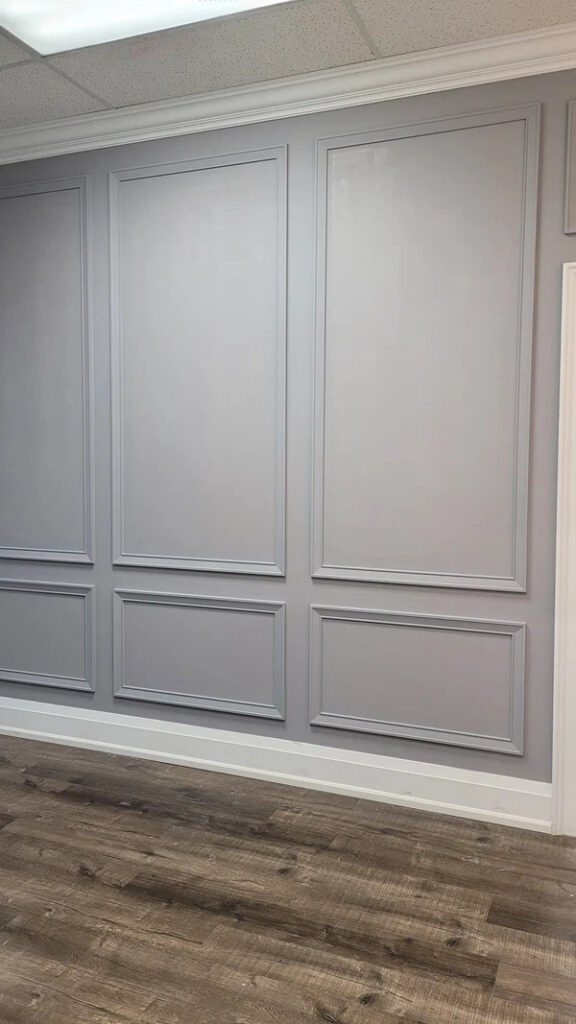
Panel molding is used to create the look of raised panels on a wall, even when the wall itself is flat. Thin strips of molding are arranged into rectangles, squares, or other shapes, which gives the wall texture and dimension.
This style is often associated with wainscoting, but it can also be used on its own, higher up the wall or even on ceilings. It’s a popular choice for people who want a room to feel more architectural and custom, without the cost of actual structural paneling.
6. Casing Molding
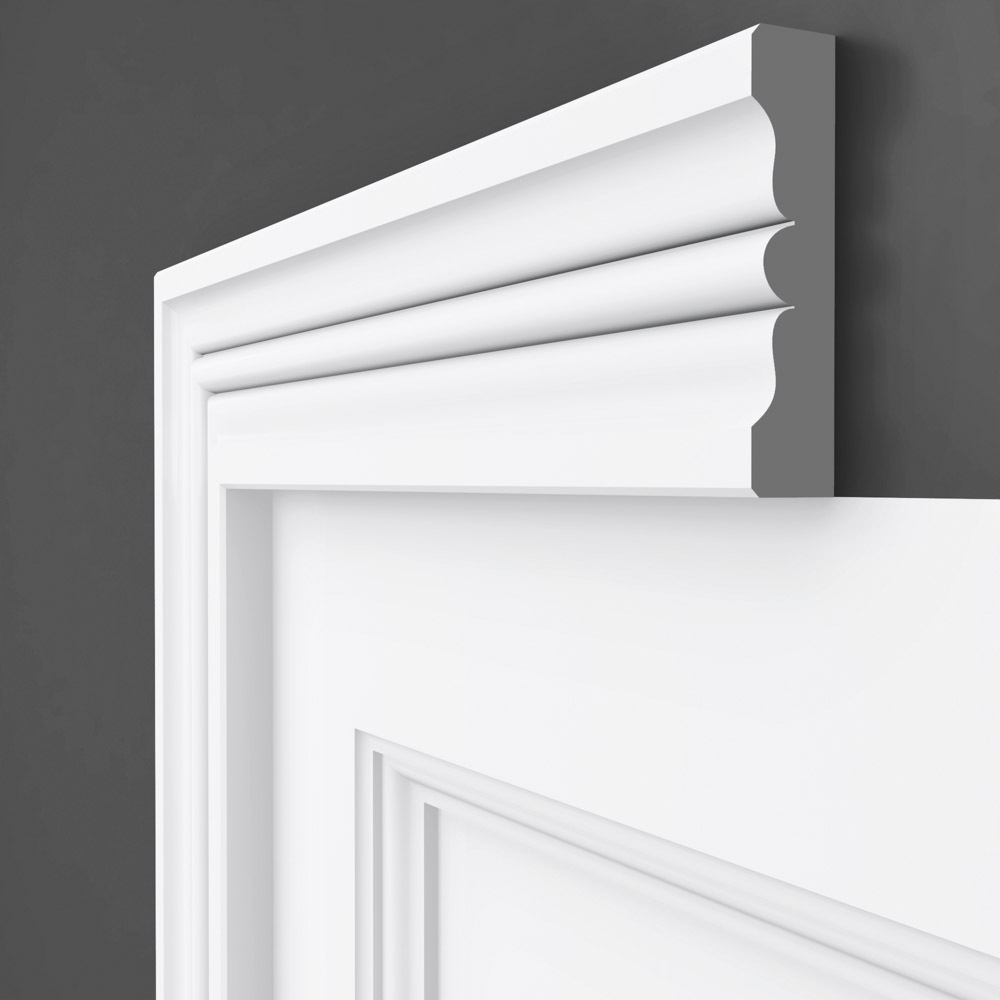
Casing molding surrounds doors and windows, covering the gap between the frame and the wall. It’s easy to overlook, but it plays a big role in how finished a room feels. Without casing, doorways and windows can look unfinished, almost like the project was never fully completed.
Casing styles range from simple, flat boards to more detailed profiles with curves and layers. Wider casing tends to feel more substantial and traditional, while narrow, clean lines suit a more modern space.
7. Cove Molding
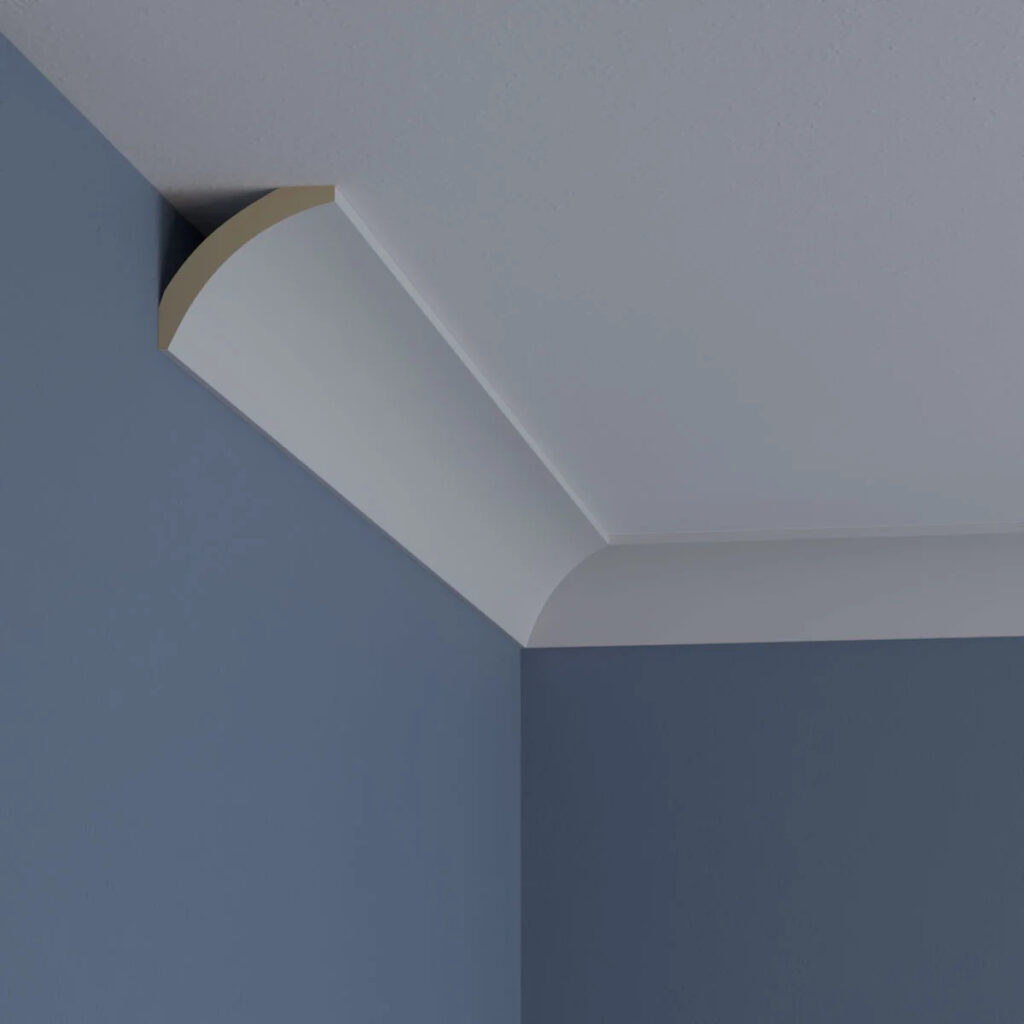
Cove molding has a concave curve, which gives it a soft, rounded look compared to the sharper angles of other molding styles. It’s often used at the ceiling line, similar to crown molding, but with a gentler transition between wall and ceiling.
Because of its smooth profile, cove molding tends to feel calm and understated. It works well in spaces where you want a finished look without drawing too much attention to the trim itself.
Final Thoughts
Molding might seem like a small detail, but it has a real impact on how a room feels. The right style can make a space feel warmer, more polished, or more architecturally interesting, while the wrong choice can feel out of place or overdone.
The good news is that you don’t have to pick just one. Many homes combine several molding styles, like crown molding up top, chair rail in the middle, and baseboards down below, to create layers of detail that work together. The key is to think about the overall character you want for your space, then choose molding styles that support that vision rather than fight against it.
Whether you’re renovating an entire home or just updating a single room, taking the time to understand these molding styles will help you make choices that feel right, not just for today, but for years to come.