Pine Baseboard: What It Is and Its Pros and Cons
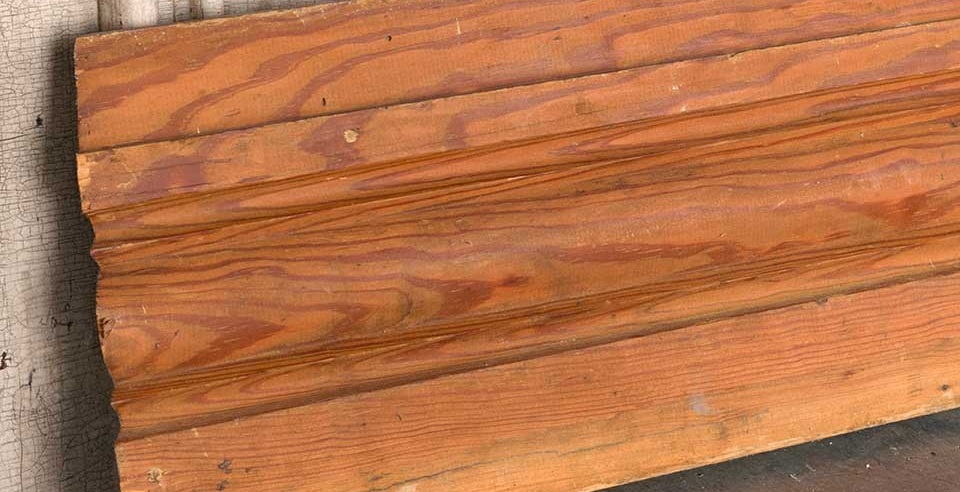
If you’ve walked through the trim aisle at a home center, you’ve seen pine baseboard stacked up in long, pale bundles. It’s one of the most common choices for finishing the bottom edge of a wall, and for good reason. But it isn’t perfect for every room or every budget. Here’s what you should know before you buy.
What Is Pine Baseboard?
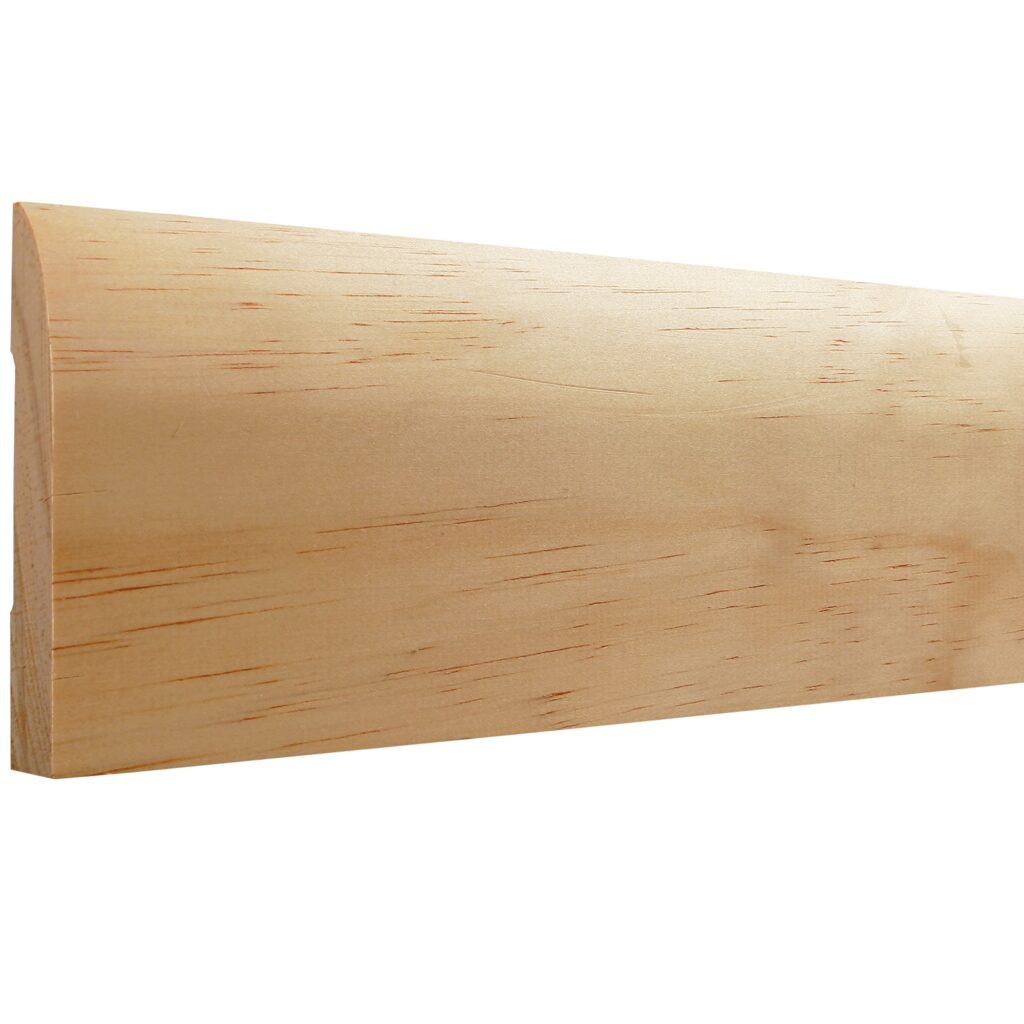
Pine baseboard is trim made from pine, a softwood harvested from fast-growing evergreen trees. It runs along the bottom of an interior wall where the wall meets the floor. It covers the gap left by flooring, protects the drywall from scuffs and vacuum bumps, and gives a room a more finished look.
You’ll usually find it in a few forms:
- Clear or select pine: Cut from cleaner boards with few or no knots. It has a smooth, uniform look and works well for paint or a light stain.
- Knotty pine: Has visible knots and a rustic, cabin-style character. Many people love it for that reason.
- Finger-jointed pine: Made from short pieces of pine glued together end to end, then usually primed. It’s inexpensive, stable, and made for painting.
- Solid pine: A single piece of wood from end to end, often chosen when you want a natural stained finish with continuous grain.
Pine baseboard also comes in many profiles, from simple square or ranch styles to colonial and craftsman designs. Standard heights run from about 3 inches to 7 inches or more, so you can match it to your ceiling height and the look you want.
The Pros of Pine Baseboard
It’s Budget-Friendly
Cost is the biggest draw. Pine is one of the more affordable real wood options, and it’s usually cheaper than oak, maple, poplar, or cherry. If you’re trimming a whole house, the savings add up quickly. Primed finger-jointed pine tends to be the cheapest, while clear solid pine costs more but still undercuts most hardwoods.
It’s Easy to Work With
Because pine is soft, it cuts cleanly with a miter saw, nails in without much fuss, and sands smoothly. That makes it a friendly choice if you’re tackling a DIY project. Mistakes are also less costly, since a miscut board won’t hurt your wallet much.
It’s Lightweight and Easy to Find
Pine is light enough to carry and hold in place while you nail it. It’s also available almost everywhere, in many lengths and profiles, so you won’t have to special order it or wait weeks for delivery.
It Takes Paint Well
A properly primed pine baseboard accepts paint nicely and gives you a crisp, clean finish. If you like white trim, which is hugely popular, pine is a solid and affordable base for it.
It Offers Natural Warmth When Stained
If you prefer a wood look, pine can deliver. Its light color and visible grain bring a warm, inviting feel, especially in cottages, cabins, and farmhouse-style homes.
The Cons of Pine Baseboard
It Dents and Scratches Easily
This is the main trade-off. Pine is a softwood, so it doesn’t hold up to impact the way hardwoods do. Furniture legs, vacuum cleaners, pet claws, and kids’ toys can leave dings. In busy hallways or homes with active pets, you may notice wear sooner than you would with a harder wood.
Knots Can Cause Trouble
Knots in pine can bleed resin or sap through paint over time, leaving yellowish or brown stains. Even if the board looks perfect when you install it, the problem can show up months later. The fix is to seal knots with a shellac-based primer before painting. Skipping that step is a common mistake.
It Can Stain Unevenly
Pine has a reputation for blotchy stain. The wood absorbs stain at different rates across the board, which can leave dark and light patches. A pre-stain wood conditioner helps a lot, but it’s an extra step you’ll need to plan for.
It’s Sensitive to Moisture
Pine can swell, shrink, or warp when humidity changes. It’s not a great pick for bathrooms with poor ventilation, basements prone to dampness, or spaces that might see flooding. If you do use it in a humid room, seal all sides, including the back and cut ends.
It Wears Faster in High-Traffic Areas
Over many years, pine may show more wear than denser woods or composite materials. For a rarely touched bedroom, that probably won’t matter. For a mudroom or entryway, it might.
Tips for Getting the Best Results
A few simple habits make a big difference with pine baseboard:
- Let it acclimate. Leave the boards in the room for two to three days before installing so they can adjust to your home’s humidity.
- Prime before painting. Use a shellac-based primer on any visible knots, and consider priming all sides.
- Condition before staining. A wood conditioner helps you get a more even color.
- Nail into studs. This keeps the baseboard secure and reduces gaps over time.
- Caulk and fill. Caulk the top edge where the board meets the wall and fill nail holes for a smooth, professional look.
Is Pine Baseboard Right for You?
Pine baseboard is a smart pick if you want real wood, a friendly price, and trim that’s simple to install. It works especially well in bedrooms, living rooms, and any space where it won’t take much abuse. It’s also great if you plan to paint, since primed pine gives you a clean result without a high price tag.
If your home sees heavy traffic, lots of moisture, or rowdy pets, you may want to weigh a harder wood or a moisture-resistant alternative such as PVC or MDF. But for most homeowners, pine hits a nice balance of cost, looks, and ease of use.
Take your time choosing the grade and profile, prep the wood properly, and your pine baseboard can look great for many years.