Albizia Chinensis Wood: Characteristics, Uses, Advantages, and Disadvantages
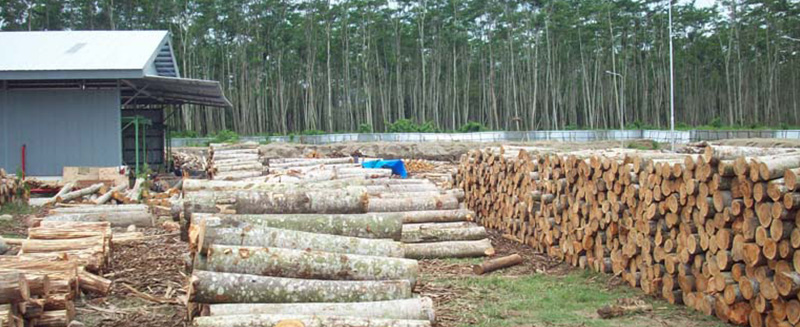
Albizia Chinensis wood is a fast growing tropical timber widely used across Asia, particularly in Indonesia. It is valued for three main reasons:
- Rapid plantation cycle
- Light to moderate weight
- Easy processing and machining
Because of these traits, Albizia Chinensis wood is commonly used for engineered wood products, packaging, furniture components, and agroforestry systems.
What Is Albizia Chinensis Wood?
Albizia Chinensis is a leguminous tree from the Fabaceae family.
Scientific name: Albizia chinensis (Osbeck) Merr. (1826)
Tree profile:
- Deciduous tree
- Height: 30–45 meters
- Trunk diameter: 70–140 cm
- Umbellate crown shape
Common local and trade names:
- English: Silk tree, Chinese albizia
- Indonesia: jeungjing (Sundanese), sengon (Javanese), keura (East Sumba)
Natural distribution:
India, Myanmar, Thailand, Cambodia, Laos, China, Vietnam, Indonesia, and introduced to Australia.
Characteristics of Albizia Chinensis Wood
Albizia Chinensis wood is classified as light to moderately light timber.
Visual appearance:
- Sapwood: white
- Heartwood: glossy yellow to ivory brown
- Grain: generally straight
- Texture: slightly coarse
The wood is easy to saw, nail, and machine, making it suitable for industrial scale use.
Physical Properties
- Density at 15 percent moisture content: 320–640 kg per cubic meter
- Lightweight and easy to transport
- Dries relatively fast
- Requires controlled drying to reduce warping
Mechanical Properties
- Strength class: III–IV
- Durability class: III–IV
- Suitable for non load bearing applications
- Naturally resistant to subterranean termites due to extractive substances
- Poor performance in ground contact conditions
Advantages of Albizia Chinensis Wood
Key advantages include:
- Fast growth rate, enabling short harvest cycles
- Adaptable to poor soils, high pH, and saline conditions
- Cost effective compared to hardwoods
- Easy to process using standard woodworking tools
- Lightweight, reducing logistics and handling costs
Disadvantages of Albizia Chinensis Wood
Important limitations to consider:
- Low to moderate structural strength
- Not suitable for heavy load bearing structures
- Poor durability outdoors without chemical treatment
- Burial tests showed service life of approximately 16 months in ground contact
Proper preservation is mandatory for extended use.
Common Uses of Albizia Chinensis Wood
Albizia Chinensis wood is widely used in:
- Plywood cores and blockboard
- Engineered wood panels
- Furniture frames and interior components
- Doors and partitions
- Pallets and crates
- Light construction such as houses, boats, and simple bridges
In Sabah, this wood is traded commercially as batai wood alongside related species.
Albizia Chinensis Wood Compared to Other Woods
Compared with other commonly used timbers:
- Vs teak or mahogany: lighter, cheaper, less durable
- Vs pine: similar workability, faster growth in tropical climates
Albizia Chinensis is often confused with Paraserianthes falcataria, a closely related species with similar wood properties and local naming.
Is Albizia Chinensis Wood Good for Furniture?
Yes, for indoor furniture with low to medium load, such as:
- Cabinets
- Shelving
- Tables
- Bed components
Recommended practices:
- Apply proper sealing
- Use surface coatings or laminates
- Avoid direct exposure to moisture
Albizia Chinensis Wood Price in Indonesia
Pricing depends on:
- Log diameter
- Processing level
- Moisture content
- Regional supply and demand
Raw logs are cheaper than kiln dried lumber or engineered products. Prices vary by region and market conditions.
Treatment and Maintenance of Albizia Chinensis Wood
To improve durability:
- Apply anti termite and anti fungal treatment
- Use proper air drying or kiln drying
- Protect surfaces with paint, varnish, or laminate
These steps significantly extend service life.
Environmental Impact of Albizia Chinensis Wood
Albizia Chinensis offers strong environmental benefits:
- Nitrogen fixing roots improve soil fertility
- Commonly used as shade trees in coffee and tea plantations
- Effective for erosion control on sloping land
- Suitable for rehabilitation of degraded and ex mining soils
Frequently Asked Questions About Albizia Chinensis Wood
- Is it strong? No, it is not structural grade timber
- Can it be used outdoors? Only with proper chemical treatment
- How long does it last? Short in ground contact, much longer indoors
- Is it suitable for housing? Yes, for non structural components
Conclusion
Albizia Chinensis wood is a fast growing, versatile plantation timber with clear economic and environmental advantages. Its ease of processing, adaptability, and low cost make it ideal for engineered products, furniture components, and agroforestry systems. However, limited strength and durability mean correct application and treatment are essential. When used appropriately, it is a practical and sustainable choice for tropical timber needs.
Latest News
- 6 Best Gesso Primer for Cardboard
- 5 Best Gesso Primer for Canvas
- 7 Best Clear Gesso Primer for Artists Who Want It All
- 5 Best Gesso Primer Acrylic for Every Artist
- The Ultimate Guide to Baseboard Moulding: Styles, Materials, and Installation
- What Is S4S Wood? The Complete Guide to S4S Lumber for Beginners