MDF Baseboard: What It Is and Its Pros and Cons
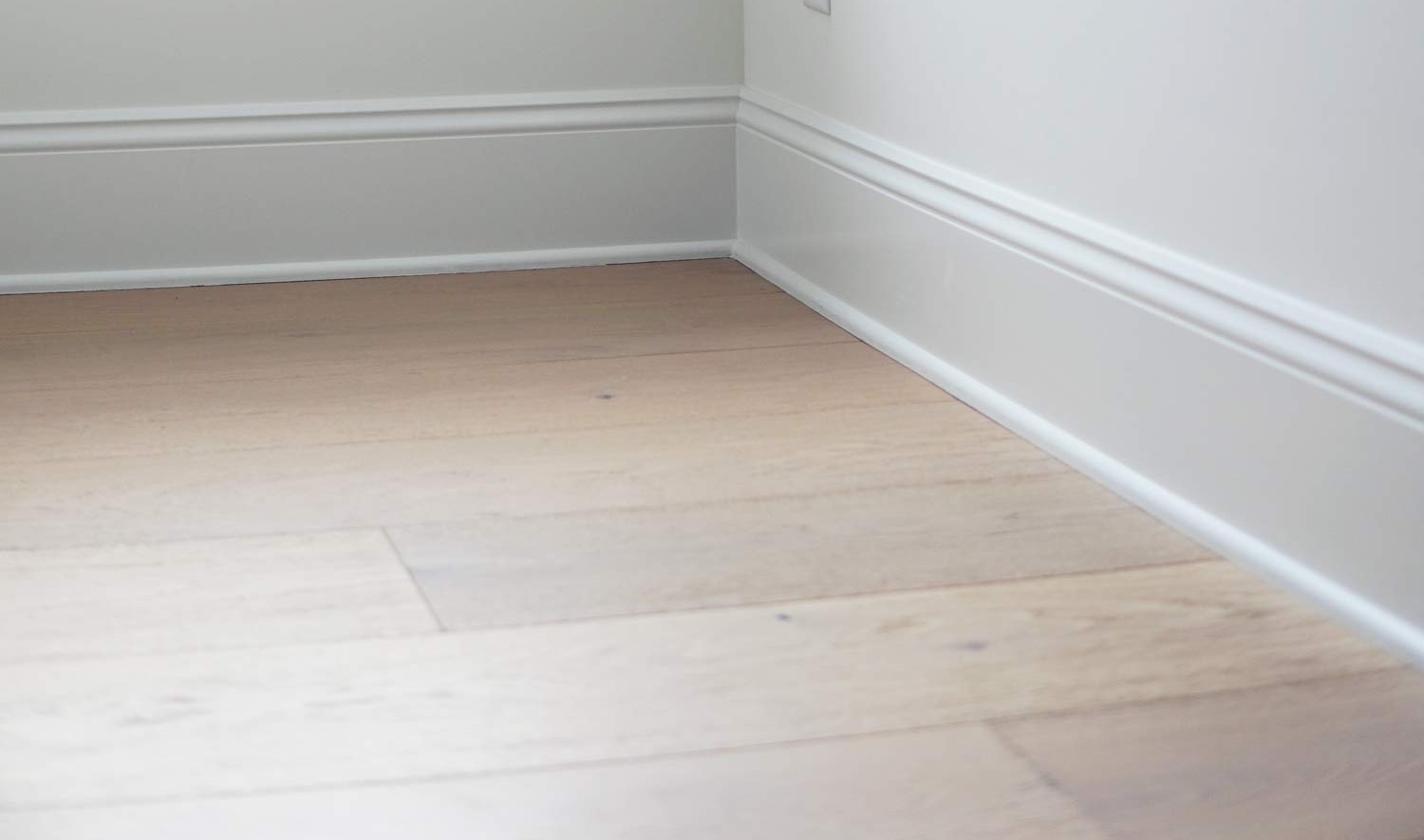
If you’re shopping for trim and want a clean, smooth look without spending a lot, you’ve probably come across MDF baseboard. It’s everywhere in home centers, and it’s a favorite among painters and builders. But it behaves very differently from solid wood, and that matters when you’re choosing it for your own home. Here’s a plain-spoken look at what it is and where it shines or falls short.
What Is MDF Baseboard?
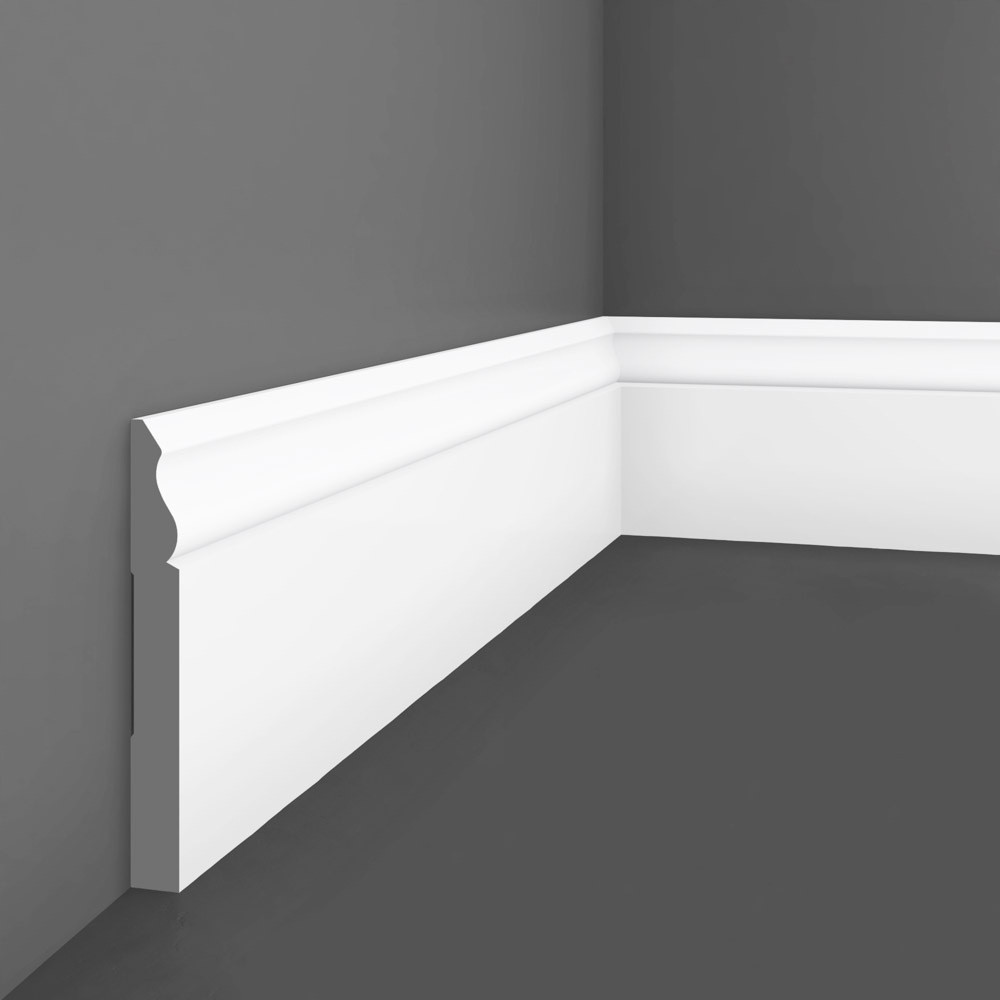
MDF stands for medium-density fiberboard. It’s an engineered wood product made by breaking down hardwood and softwood scraps into fine fibers, mixing them with wax and a resin binder, and pressing the mix into dense, flat panels under heat and pressure. Those panels are then milled into trim profiles, including baseboard.
Because it’s made from fibers instead of a single piece of lumber, MDF has no grain, no knots, and no natural variation. Every board looks and feels the same. You’ll usually see a few common versions:
- Primed MDF: The most popular option. It comes with a factory coat of primer, so it’s ready for a topcoat of paint.
- Unprimed MDF: Raw boards that you prime yourself. Some people prefer this so they can choose their own primer.
- Moisture-resistant MDF: Made with a different resin and sometimes tinted green. It handles humidity better than standard MDF, though it still isn’t waterproof.
- Veneered or laminated MDF: Wrapped in a thin wood veneer or vinyl for a different look. This is less common for baseboard.
MDF baseboard comes in many profiles, from plain flat and ranch styles to colonial, craftsman, and modern designs. Common heights range from about 3 inches to 7 inches or taller.
The Pros of MDF Baseboard
It’s Very Affordable
Price is a big reason people choose MDF. It’s typically one of the least expensive trim materials, often cheaper than pine and far cheaper than hardwoods. When you’re trimming several rooms, the savings can be significant.
It Gives You a Smooth, Flawless Paint Finish
This is where MDF really earns its keep. There’s no grain to telegraph through the paint and no knots to bleed sap. Once it’s primed and painted, the surface looks smooth and even, which is exactly what many people want for crisp white trim.
It’s Consistent and Straight
Solid wood can twist, cup, or bow. MDF boards tend to arrive straight and uniform, so they sit tight against the wall and make cleaner joints at corners. It also doesn’t expand and contract with seasonal humidity swings the way solid wood does, so you’ll see fewer open joints over time in a dry, stable home.
It’s Easy to Cut and Install
MDF cuts cleanly with a miter saw and holds crisp edges. It’s a solid choice for DIY projects because the material is forgiving and predictable. Many boards come in long lengths, which means fewer seams along a wall.
It’s Widely Available
You can find MDF baseboard at nearly any big box store or lumberyard, in many sizes and styles. That makes it easy to match existing trim or pick up extra pieces if you run short.
The Cons of MDF Baseboard
It Hates Moisture
This is the biggest drawback. When standard MDF gets wet, it swells, and it doesn’t shrink back to its original shape. The edges can crumble or bubble. That makes it a poor pick for bathrooms, laundry rooms, basements, or any space that might see leaks or flooding. Even a mop that gets too close to the bottom edge can cause damage over time. Moisture-resistant MDF helps, but it still isn’t a good match for wet areas.
You Can’t Stain It for a Wood Look
Since MDF has no real grain, you can’t get that natural stained-wood appearance. It’s meant to be painted. If you love the warmth of visible wood, you’ll want pine, oak, or another solid wood option instead.
It’s Heavier Than You’d Expect
MDF is dense, which makes it heavier than pine of the same size. Long boards can be awkward to handle alone, especially taller profiles.
It’s Prone to Chipping and Splitting
MDF can dent or chip if something hits it, and the corners and ends can be fragile. Nailing too close to the end of a board can cause it to split. Once the surface is broken, the soft core is exposed and can be tricky to repair neatly.
It Creates Fine Dust When Cut
Cutting or sanding MDF produces a lot of very fine dust. Many MDF products contain urea-formaldehyde resin, so you’ll want to cut outdoors or in a well-ventilated space and wear a dust mask or respirator, along with eye protection. Once it’s sealed with primer and paint, the finished trim is generally considered fine for indoor use, but it’s smart to look for low-emission or formaldehyde-free options if that’s a concern.
It Doesn’t Hold Up Well to Repeated Removal
If you ever need to pull MDF trim off and put it back, it may crumble or lose its grip on fasteners. Solid wood usually tolerates that better.
Tips for Getting the Best Results
A few easy habits will help your MDF baseboard last:
- Seal the cut ends. Raw edges soak up moisture and paint. Prime them well, and consider a second coat.
- Pre-drill near the ends. This keeps the board from splitting when you nail.
- Use construction adhesive. A thin bead on the back, along with nails into studs, gives you a stronger hold.
- Caulk and fill. Caulk the top seam against the wall and fill nail holes for a polished finish.
- Raise it slightly off the floor. Leaving a small gap above the flooring, then covering it with shoe molding, keeps the bottom edge away from spills and mop water.
- Skip it in wet rooms. For bathrooms and basements, consider PVC trim instead.
Conclusion
MDF baseboard is a smart choice if you want a budget-friendly, smooth, paint-ready trim for bedrooms, hallways, living rooms, and other dry areas. It’s especially appealing if you love a modern, clean look and don’t mind painting it.
If you want a stained wood finish, expect moisture, or live in a home that sees frequent water exposure, you’ll probably be happier with solid wood or a waterproof alternative. Weigh your budget, your room, and the look you’re after, and MDF can give you great results for years.