Finger Joint Advantages and Disadvantages: What You Need to Know
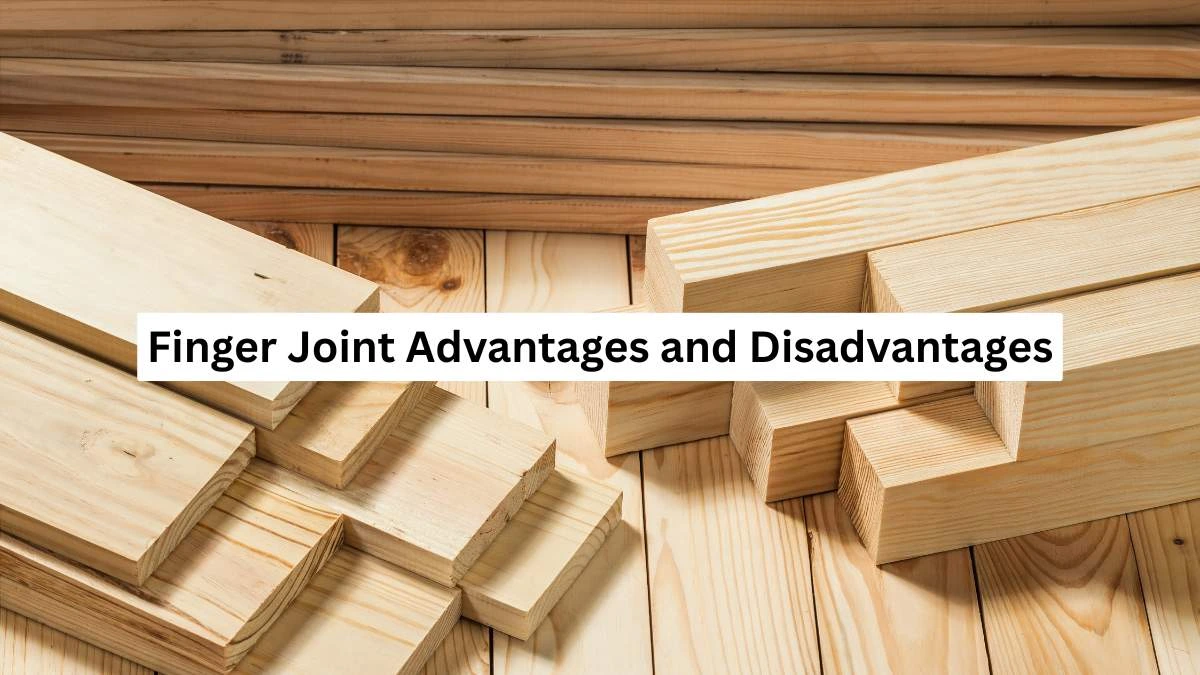
Finger jointed wood has become one of the most commonly used materials in modern construction and woodworking. You will find it in door frames, baseboards, window casings, wall framing, and a whole lot more. But despite how widely it is used, a lot of people still have questions about it. Is it actually strong enough? Where does it fall short? And is it really worth using over other options?
This article walks you through everything you need to know about finger joint advantages and disadvantages, so you can make a confident, informed decision for your next project, whether you are a homeowner tackling a renovation or a contractor sourcing materials for a build.
How Finger Joints Are Made
The process starts with shorter pieces of lumber, often offcuts or smaller sections that would otherwise be discarded during milling. These pieces are cut at each end with a series of interlocking wedge shaped profiles, the ones that look like interlaced fingers, hence the name.
A strong structural adhesive is applied to the joints, and the pieces are pressed together under controlled pressure until the glue cures. The finished board is then typically kiln dried to stabilize moisture content. When the process is done well, the result is a smooth, consistent board that is ready for use across a wide range of applications.
The quality of finger jointed lumber depends heavily on the quality of the adhesive, the precision of the cuts, and how well the drying process is managed. A well made finger jointed board is a reliable product. A poorly made one can cause headaches down the line, which is why sourcing from a reputable supplier always matters.
Finger Joint Advantages and Disadvantages
The Advantages
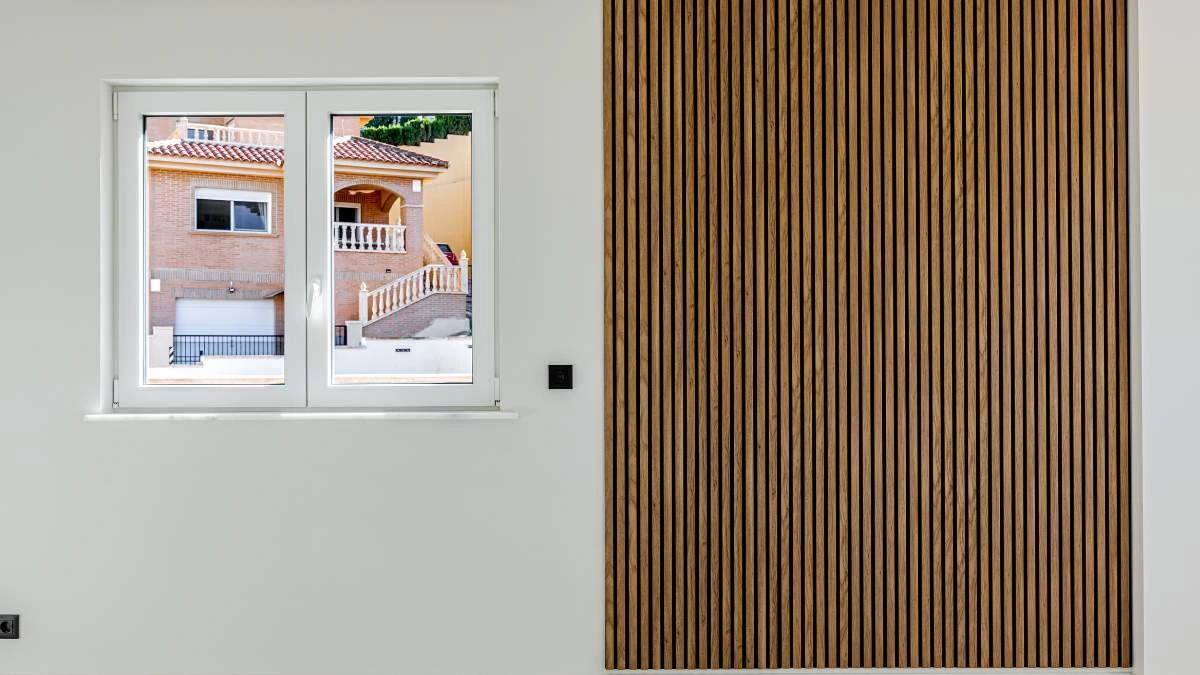
There are some genuinely compelling reasons why finger jointed lumber has become such a staple in the industry. Here is what works in its favor.
- Cost effectiveness. Because finger jointed lumber is made from smaller wood pieces that would otherwise go to waste, it costs less to produce. Those savings are passed on to you. For large projects, this can make a meaningful difference to your overall budget without sacrificing performance where it counts.
- Dimensional stability. One of the most practical advantages of finger jointed lumber is how stable it tends to be. Because the board is made from multiple shorter pieces, the natural stresses and grain variations present in solid wood are distributed and minimized. This means less warping, twisting, and bowing over time, which is a big deal in framing and trim work.
- Consistency. Finger jointed boards tend to be very uniform in terms of size and surface quality. When you are installing trim or casing across a large area, having consistent material makes the job faster and cleaner.
- Sustainability. Using smaller offcuts that would otherwise be waste is a genuinely more sustainable approach to wood production. Less raw material is needed per board, which means fewer trees are required to produce the same volume of usable lumber. For environmentally conscious buyers and builders, this is a real plus.
- Structural adequacy for many applications. High quality finger jointed lumber meets the structural requirements for a wide range of interior framing and finishing applications. It is approved for use in wall framing and similar structural contexts under many building codes, which means you are not compromising safety or integrity when you use it correctly.
The Disadvantages
No material is perfect, and finger jointed lumber is no exception. Here are the areas where it falls short and what you need to watch out for.
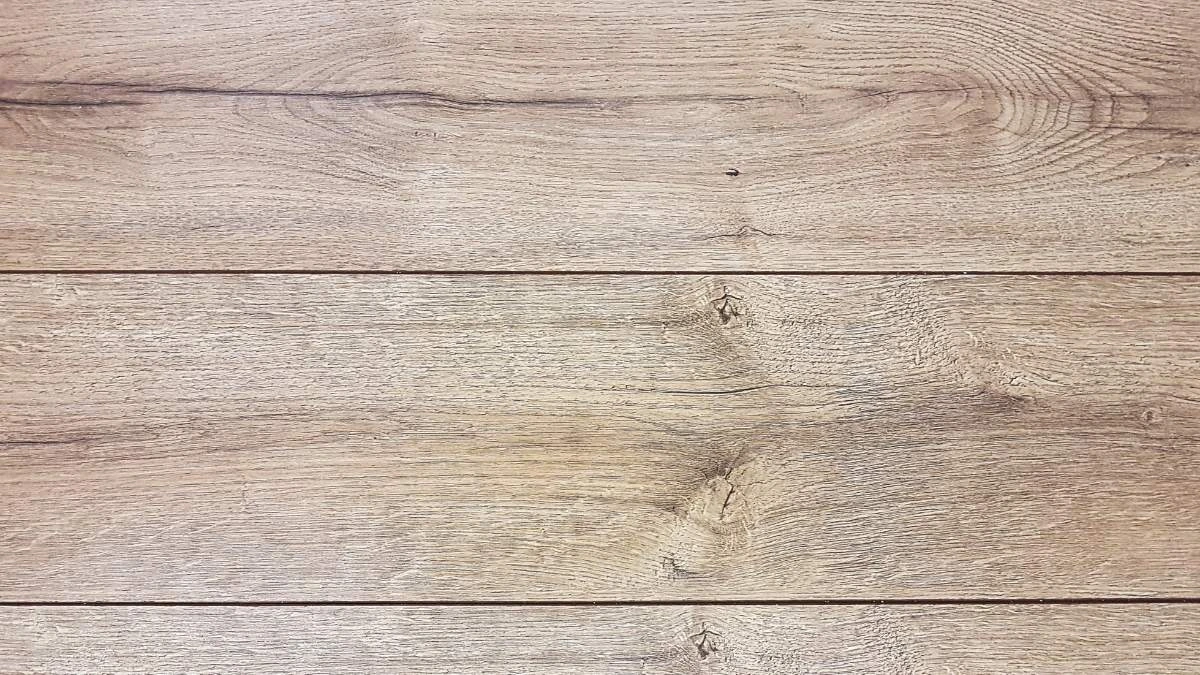
- Visible joints. The most obvious downside is cosmetic. Finger jointed lumber has visible joint lines at regular intervals along the board. For painted applications, this is a non issue. But if you are planning to stain or apply a clear finish, those joints will show, and they can interrupt the natural look of the wood grain in a way that many people find unappealing.
- Not ideal for outdoor structural use. Finger jointed lumber is generally not recommended for exposed outdoor structural applications. The adhesive that holds the joints together can be vulnerable to repeated moisture cycles over time, which can weaken the bond. Always check the product specifications before using finger jointed lumber in any outdoor or high moisture environment.
- Quality can vary. Not all finger jointed lumber is created equal. The quality of the finished product depends heavily on the manufacturing process, the adhesive used, and the source material. Lower quality boards may have weak joints, inconsistent drying, or surface defects that cause problems after installation. This makes supplier selection important.
- Limited suitability for heavy structural loads. While finger jointed lumber performs well in standard framing scenarios, it is generally not the first choice for heavy load bearing applications like large beams, posts, or long span structural members. For those situations, solid wood or engineered lumber products are typically the better option.
How It Compares to Other Joinery Methods
Finger jointing is not the only way to join pieces of wood together, so it is worth putting it in context alongside some other common methods.
Butt joints are the simplest form of wood joinery, where two flat ends are glued or fastened together. They are easy to make but relatively weak compared to finger joints because there is far less surface area for the adhesive to bond. Finger joints dramatically increase that bonding surface, which is why they are so much stronger.
Scarf joints involve cutting each piece at an angle and gluing the angled faces together. They can be strong and relatively invisible, but they require more precision to execute well and are less efficient to produce at scale compared to finger joints.
Dowel and biscuit joints are common in furniture making and cabinetry. They are great for edge to edge or face to face connections but are not typically used for creating longer lengths of lumber the way finger joints are.
In terms of efficiency, strength to cost ratio, and suitability for producing long lengths of dimensional lumber, finger jointing stands out as one of the most practical and widely applicable methods available in modern wood manufacturing.
When to Use Finger Jointed Wood (and When Not To)
Knowing where finger jointed lumber excels and where it struggles will save you time, money, and frustration. Here is a practical guide to help you decide.
Use finger jointed wood for: interior wall framing and non structural partitions, painted door frames, window casings, and baseboards, interior trim and moulding that will be primed and painted, projects where dimensional stability is important and natural wood appearance is not a priority, and budget conscious builds where performance requirements are met by the product specifications.
Avoid finger jointed wood for: exposed exterior structural applications, stained or clear coated finishes where grain continuity matters, heavy load bearing beams and posts, high moisture environments without verifying the adhesive rating, and fine woodworking or furniture where the natural character of the wood is a central part of the design.
Is Finger Jointed Wood Worth It?
After looking at all the finger joint advantages and disadvantages, the answer for most applications is yes, it absolutely is worth it, as long as you are using it in the right situations.
For contractors, finger jointed lumber offers a cost effective, stable, and reliable material for interior framing and painted finishing work. When you are managing tight budgets and tight timelines, those qualities matter a lot. You get consistent material that performs well, without paying a premium for natural wood aesthetics you do not need in hidden or painted applications.
For homeowners doing renovations or improvements, finger jointed lumber is a smart choice for painted trim, interior door surrounds, and similar projects. It is widely available, easy to work with, and holds paint well. If you are trying to stretch your renovation budget without cutting corners on quality, this is one of the smarter places to do it.
The key, as always, is matching the right material to the right job. Finger jointed lumber is not trying to replace solid wood entirely, and it should not be treated as a universal substitute. But in the applications where it shines, it genuinely delivers. Buy from a supplier you trust, check the product specs for your specific use case, and you will get results you are happy with.