What is Finger Joint Board Used For?
Ever heard of finger joint boards but not quite sure what it actually is? You’re not alone. A lot of people come across this material when shopping for furniture or working on a home project, and end up confused about whether it’s the right choice.
The good news: you’ll know what is finger joint board used for after reading this post. Read on to find out everything you need to know!
What Is a Finger Joint Board?
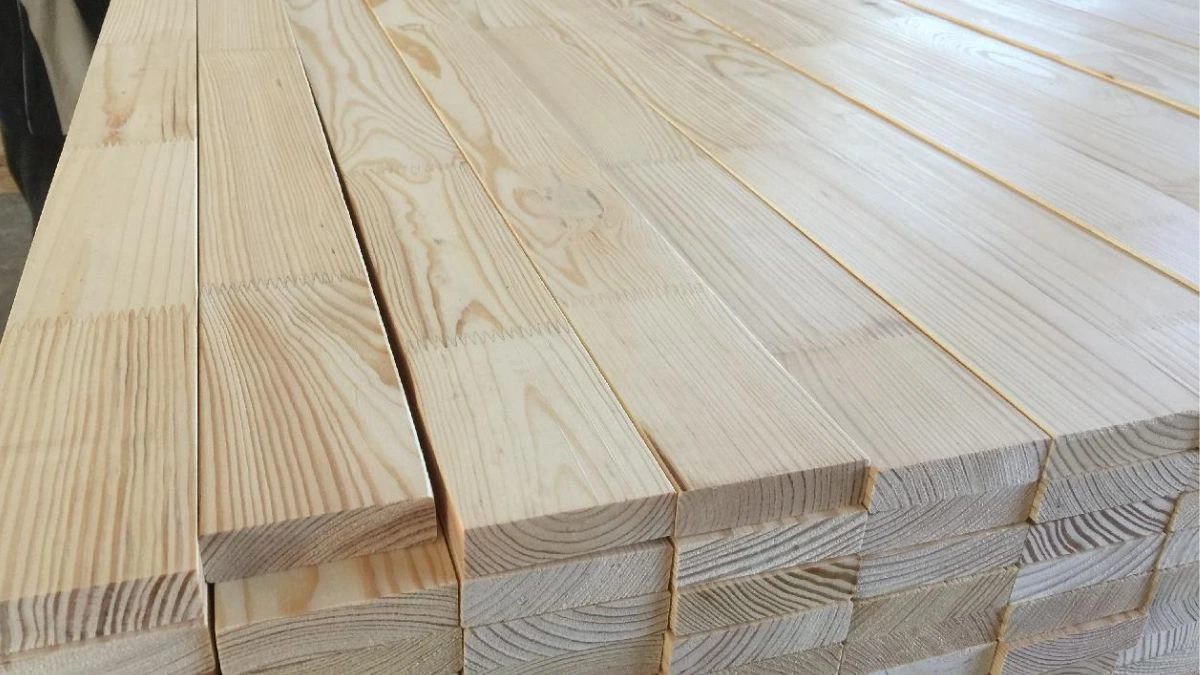
If you’ve ever looked closely at a piece of wood and noticed a series of interlocking rectangular cuts along the edges, that’s a finger joint. A finger joint board is a type of engineered wood made by joining shorter pieces of wood together using these interlocking “finger-shaped” cuts, bonded with adhesive to create one longer, continuous board.
The name comes from how the joints look, pretty much like two hands with fingers interlocked together. This technique allows manufacturers to use smaller offcuts and shorter wood pieces that would otherwise go to waste, turning them into a full-sized, usable board.
Finger joint boards are widely available in many wood species, including pine, rubber wood, and acacia. They come in various sizes and thicknesses, making them a flexible material for many different projects. You’ll find them in furniture stores, hardware shops, and timber yards all around the world.
How Is Finger Joint Board Made?
Now it’s time to understand how finger joint boards are made. Here’s a simple breakdown of the process:
1. Wood Selection and Cutting
The process starts with selecting pieces of wood, usually offcuts or shorter timber pieces from other manufacturing processes. These pieces are inspected for quality and cut to a consistent size.
2. Creating the Finger Profiles
Machines then cut the interlocking finger-shaped profiles at the ends of each wood piece. The precision of these cuts is important because a tight fit means a stronger bond.
3. Applying Adhesive
A strong wood glue or adhesive is applied to the finger joints. The type of adhesive used can affect the board’s resistance to moisture and overall durability, so quality manufacturers pay close attention to this step.
4. Pressing and Bonding
The pieces are then pressed together firmly under controlled pressure, allowing the adhesive to bond the joints securely. This creates one continuous, solid-looking board.
5. Sanding and Finishing
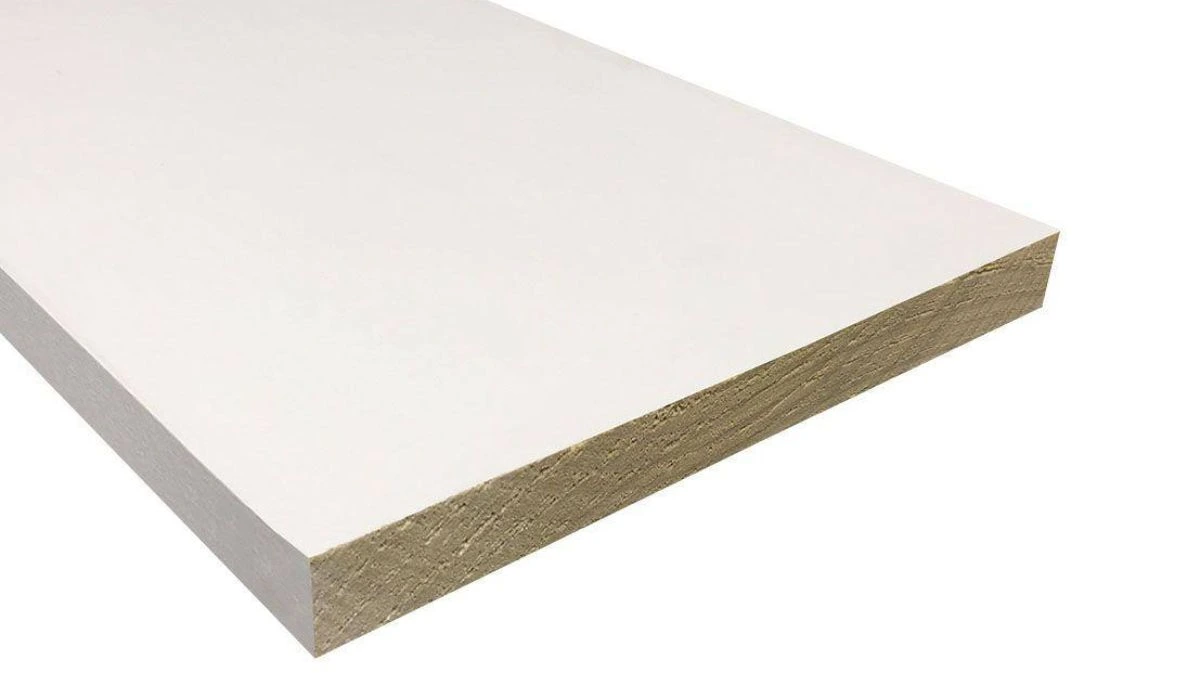
Once the board is assembled and the glue has cured, it goes through sanding to create a smooth, even surface. Some boards are left unfinished, while others are primed or coated, depending on their intended use.
The result is a board that is dimensionally stable, cost-effective, and ready to be used for a wide range of applications.
Types of Finger Joint Boards
Finger joint boards can be classified based on wood species and quality grade. Different types offer varying levels of durability, appearance, and cost. Here are the main types you should know about:
1. Based on Wood Species
These types refer to the kind of wood used to manufacture the finger joint board.
- Pine Finger Joint Board. Pine finger joint boards are often used for interior furniture, shelving, and decorative trim because they can be easily painted or stained.
- Rubberwood Finger Joint Board. Rubberwood boards are widely used in furniture manufacturing due to their sustainability and moderate strength.
- Oak Finger Joint Board. Oak is naturally dense and resistant to wear. These boards are frequently used in high-quality furniture, flooring, and cabinetry applications.
- Cedar Finger Joint Board. Cedar offers natural resistance to rot, decay, and insects.
- Maple Finger Joint Board. Maple boards are often used in flooring, cabinetry, and decorative mouldings due to their durability and light colour.
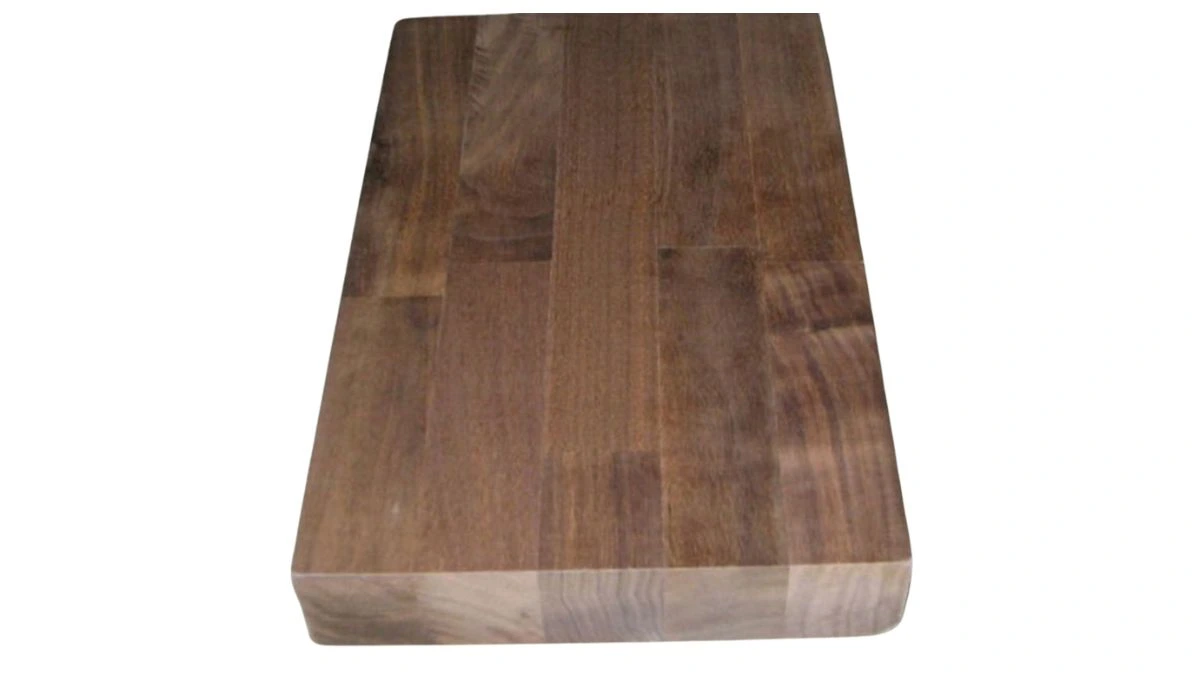
- Walnut Finger Joint Board. Walnut finger joint boards are valued for their dark colour and striking grain patterns.
2. Based on Quality Grade
Finger joint boards are also classified according to surface quality and appearance.
- A/A Grade. This is the highest quality grade. Both sides of the board have a smooth surface with minimal knots or defects, making it ideal for visible furniture components.
- A/B Grade. One side (A) has a clean appearance, while the other side (B) may contain small knots or minor imperfections. This grade works well for applications where only one side will be visible.
- A/C Grade. One side is of good quality, while the other side contains more visible defects such as knots or colour variations. This grade is commonly used for structural or hidden components where appearance is less of a priority.
What Is Finger Joint Board Used For?
This is where things get really interesting. Finger joint boards are incredibly versatile and used across a wide range of projects, from home furniture to commercial construction. Here’s a detailed look at all the ways this material is put to work:
Furniture Making
Furniture is one of the most common uses for finger joint boards. Its smooth surface, stability, and availability in large sizes make it a go-to material for:
- Tables and desks: Finger joint boards make excellent tabletops and desktop surfaces because they are wide, flat, and stable. They resist warping better than some solid wood alternatives.
- Chairs and benches: Seat panels and backrests are often made from finger joint boards, especially in budget-friendly or mid-range furniture.
- Shelving units: Lightweight yet sturdy, finger joint boards are perfect for shelves that need to hold books, décor, or kitchen items.
- Cabinets and wardrobes: The interior panels, shelves, and side walls of cabinets and wardrobes are frequently made from finger joint boards because they offer a clean finish at a lower cost than solid wood.
- Bed frames: Some bed frame components, especially panel sections, use finger joint boards for their dimensional consistency.
Interior Construction and Trim Work
Finger joint boards, especially primed ones, are widely used in interior construction for:
- Baseboards and skirting boards: They run along the bottom of walls and are often painted, making primed finger joint boards a very practical choice.
- Door and window casings: The frames around doors and windows are a classic application for finger joint boards.
- Crown molding and cornices: Decorative trim near ceilings is often made from finger joint boards because they hold paint well and can be machined into detailed profiles.
- Wall paneling: Feature walls and wainscoting panels are sometimes made using finger joint boards, especially when a painted finish is desired.
Countertops and Worktops
Finger joint boards are used for countertops in several settings:
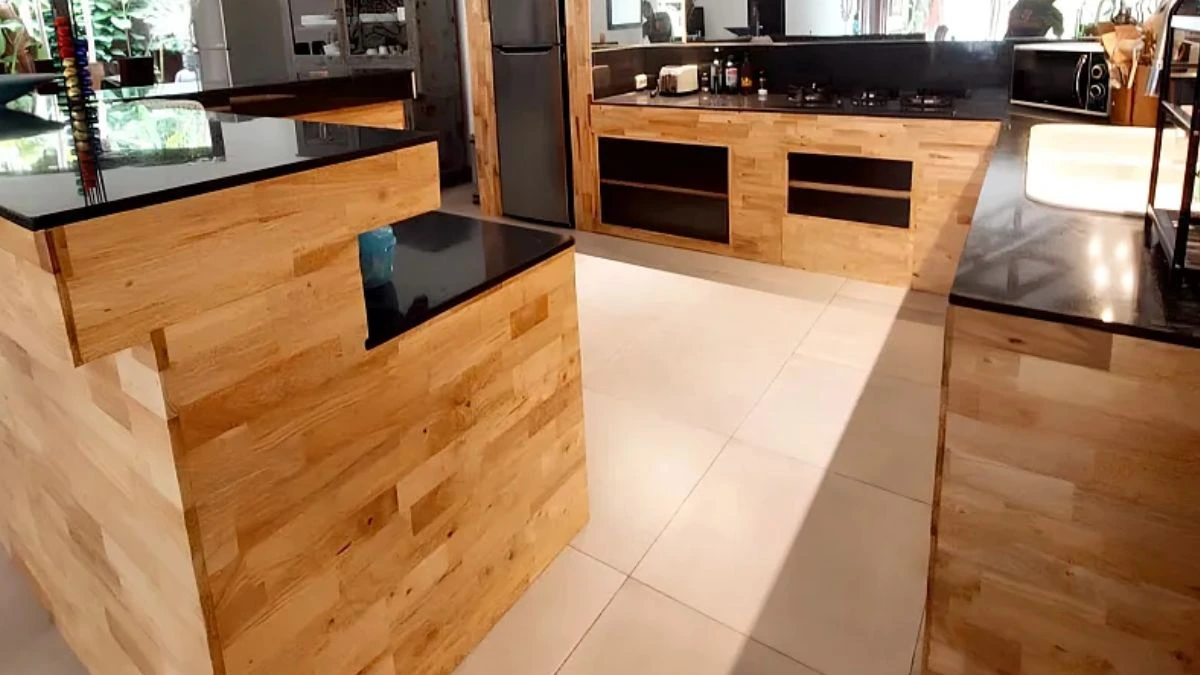
- Kitchen worktops: Thicker finger joint boards, when properly sealed and finished, can serve as functional kitchen countertops with a warm, natural wood look.
- Workshop benches: The durability and surface consistency of finger joint boards make them a popular choice for workbench tops in garages and workshops.
- Commercial counters: Retail and café counters sometimes use finger joint boards as an affordable yet attractive surface material.
Structural and Building Applications
While not typically used for heavy load-bearing structures, finger joint boards do serve several building-related purposes:
- Door jambs and frames: The vertical and horizontal pieces that make up a door frame are often made from finger joint lumber.
- Stair components: Treads, risers, and stringers in staircases can be made from finger joint boards, particularly in budget residential builds.
- Wall framing and blocking: In some interior applications, finger jointed studs and blocking pieces are used within wall cavities where they won’t be exposed to moisture.
Commercial and Retail Spaces
Beyond homes, finger joint boards are also common in commercial environments:
- Office furniture: Desks, shelving, and storage units in offices are frequently built with finger joint boards.
- Retail display fixtures: Shelves, display stands, and product racks in shops are often made from finger joint boards because they are affordable, easy to customise, and look neat when painted or varnished.
- Hospitality interiors: Hotels, cafes, and restaurants use finger joint boards for custom furniture, wall features, and counters as a cost-effective way to achieve a timber look.
Craft and DIY Projects
For hobbyists and DIY enthusiasts, finger joint boards are a favorite material because they are:
- Easy to cut, drill, and sand with basic tools
- Available in smaller quantities at hardware stores
- Affordable enough to experiment with without a big financial risk
- Great for building things like picture frames, small boxes, toy storage, and decorative wall art
Conclusion
Finger joint boards are honestly more present in your daily life than you might think. The desk you work on, the shelves holding your books, the cabinets in your kitchen, and even the trim around your doors, chances are, at least one of them is made from finger joint board.
It’s a material that quietly does a lot of heavy lifting in both homes and commercial spaces without asking for much attention. Now that you know what finger joint board is and what it’s used for, you’ll probably start noticing it everywhere!