Finger Jointed Lumber vs Solid Wood: Which One Is Better?
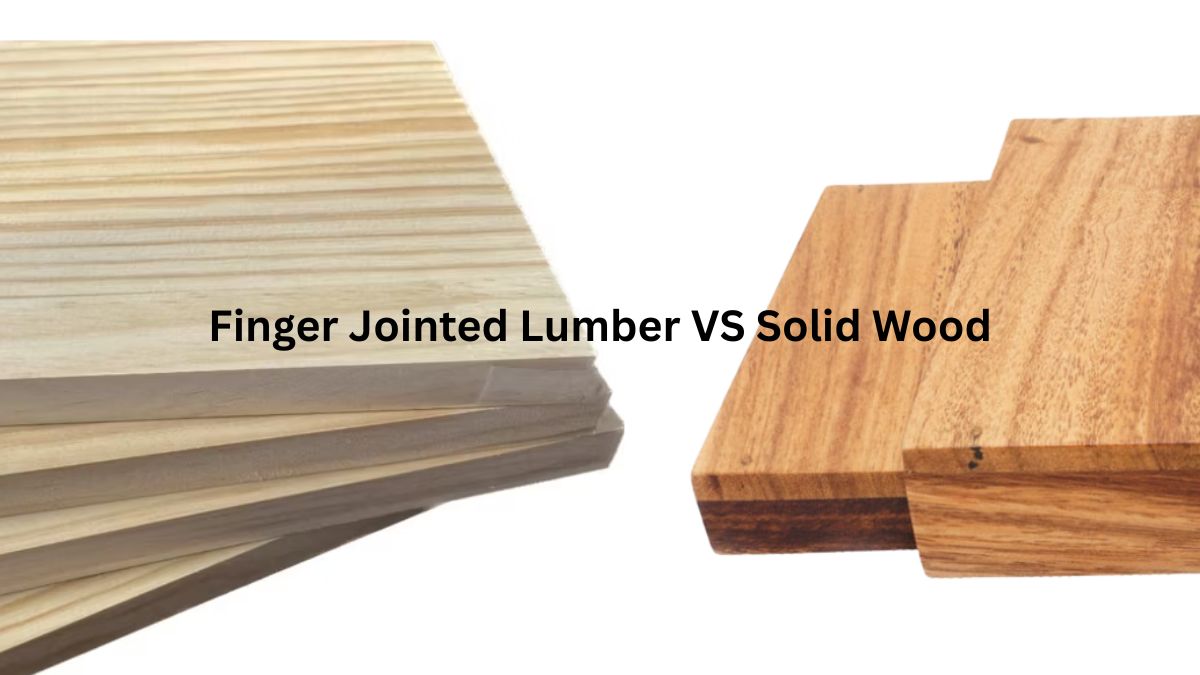
If you have ever walked through a lumber yard or browsed building materials online, you have probably come across both finger jointed lumber and solid wood. At first glance, they might look pretty similar.
However, once you dig a little deeper, you will find that they are quite different in how they are made, how they perform, and where they work best. So if you are trying to know finger jointed lumber vs solid wood better, you’re in the right place.
Let us break it all down in a way that actually makes sense.
What Is Finger Jointed Lumber?
Finger jointed lumber is exactly what it sounds like. It is wood made by joining shorter pieces of lumber together using interlocking cuts that resemble fingers on a hand. These cuts are glued and pressed together to create a longer, continuous board. The result is a piece of lumber that looks uniform and is ready to use in a wide range of construction and finishing applications.
This process was developed as a smart way to make use of wood that would otherwise go to waste. Instead of discarding short offcuts, manufacturers can turn them into usable lengths of lumber. It is an efficient, sustainable approach to wood production that has grown in popularity over the years.
What Is Solid Wood?
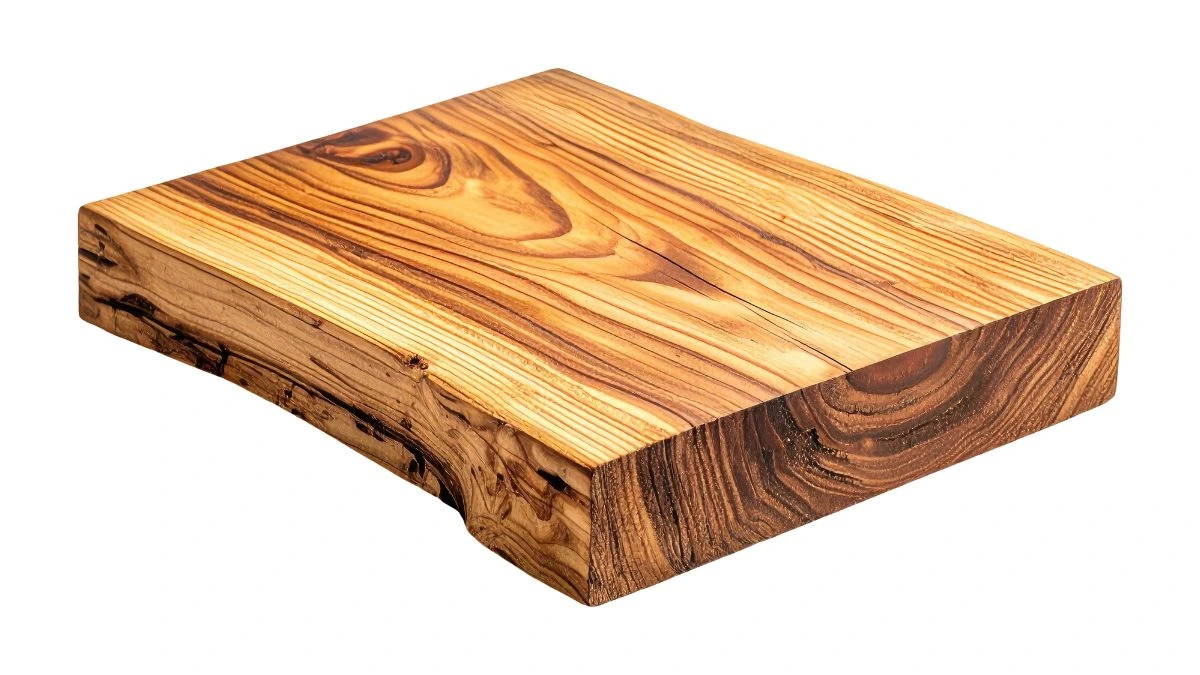
Solid wood, as the name suggests, is cut directly from a single tree. It is milled from logs and comes in a variety of species, grades, and sizes. When you are looking at a solid wood board, you are looking at one continuous piece of timber with all of its natural grain, character, and variation intact.
Solid wood has been used in construction and woodworking for centuries. It is known for its strength, natural beauty, and the way it can be shaped, sanded, and finished to bring out its unique character. Many people simply love the look and feel of real, solid wood, and that preference is entirely understandable.
How Are They Made Differently?
The manufacturing process is where things really start to diverge. Solid wood goes through a relatively straightforward journey: trees are harvested, logs are milled into boards, and those boards are dried and graded before hitting the shelf. The end product is a single, uninterrupted piece of timber.
Finger jointed lumber takes a more complex path. Shorter wood pieces are cut with precision machinery that creates those interlocking finger profiles at each end. A strong structural adhesive is then applied, and the pieces are pressed together under controlled conditions. The joint, when done right, is incredibly tight and consistent. Many manufacturers also kiln dry the finished boards to reduce moisture content and improve stability.
Because finger jointed lumber goes through more processing, it tends to be more consistent and dimensionally stable right out of the gate. Solid wood, on the other hand, can vary more from board to board depending on the species, the part of the tree it came from, and how it was dried.
Strength and Structural Performance
This is probably the question most people ask first: which one is stronger? The honest answer is that it depends on how you look at it.
High quality finger jointed lumber, when produced correctly, can actually match or come close to the structural performance of solid wood. The adhesive used in the joints is often stronger than the wood itself, which means the joint is rarely the weak point. In fact, finger jointed lumber is approved for structural use in many building codes, particularly for wall framing and similar applications.
That said, solid wood still has an edge in certain load bearing situations, especially when you need long, uninterrupted spans or when you are working with heavy timbers. Species like Douglas fir, Southern yellow pine, and oak bring exceptional natural strength that is hard to replicate through any manufacturing process.
One important note: finger jointed lumber is generally not recommended for exposed outdoor structural applications where the joints could be subjected to significant moisture cycles over time. Always check the product specifications and your local building codes before making your decision.
Appearance and Aesthetics
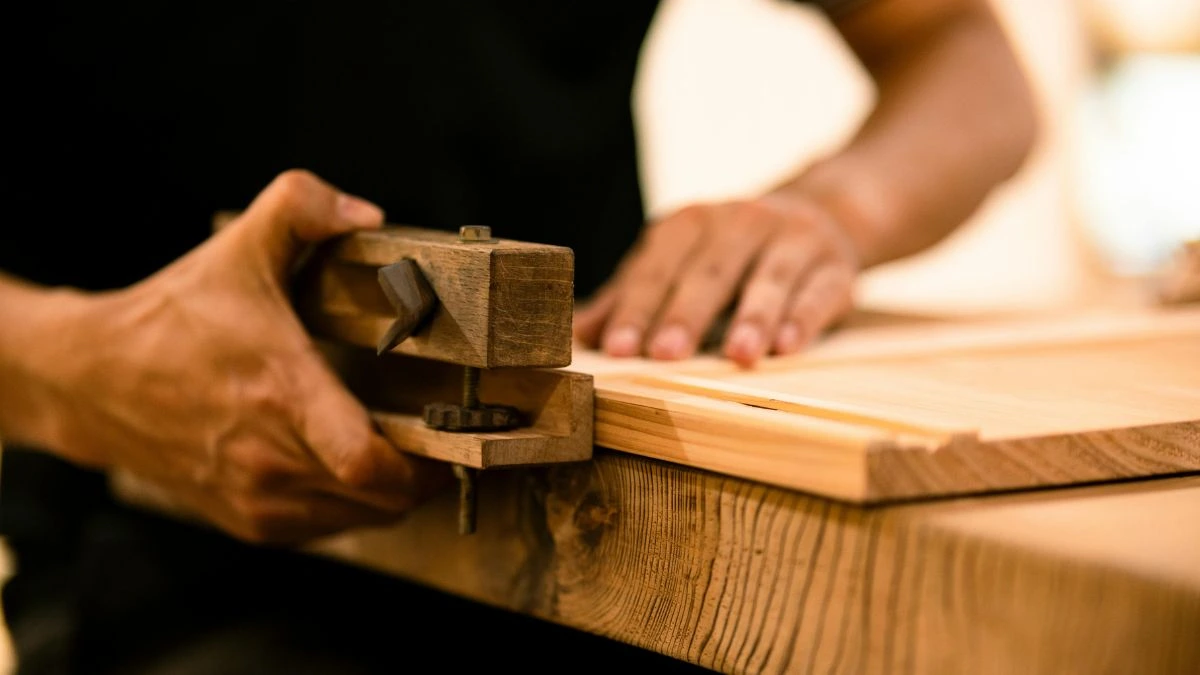
Let us talk about looks, because for a lot of projects, how the wood looks matters just as much as how it performs.
Solid wood wins here, pretty decisively. It has a continuous grain pattern, rich natural texture, and the kind of character that comes from being a single piece of a living tree. If you are working on exposed trim, cabinetry, furniture, or any application where the wood will be seen and appreciated, solid wood is the more visually appealing choice. It takes stains and finishes beautifully, and you can really bring out the grain with the right treatment.
Finger jointed lumber, on the other hand, has visible joints at regular intervals along the board. These joints are not necessarily ugly, but they are noticeable. For painted applications, this is a non issue because the paint covers everything up. But if you are planning to stain or use a clear finish, those joints will show, and not everyone finds that look appealing.
The bottom line on aesthetics: finger jointed lumber is great for painted work, and solid wood is the better choice when the natural look of the wood matters.
Cost Comparison
Cost is often the deciding factor for many buyers, and this is one area where finger jointed lumber has a clear advantage. Because it is made from smaller pieces of wood that would otherwise be waste, it is generally less expensive to produce, and those savings get passed along to the buyer.
For large scale projects like a full home build or a major renovation, the cost difference between finger jointed and solid lumber can add up to a meaningful amount. Many contractors and builders choose finger jointed lumber for framing and hidden structural elements specifically because it delivers solid performance at a lower price point.
Solid wood, especially clear grade material with minimal knots and defects, commands a premium price. Hardwoods like oak, maple, and cherry are even more expensive. If budget is a concern, that is worth factoring in early.
Best Use Cases for Each
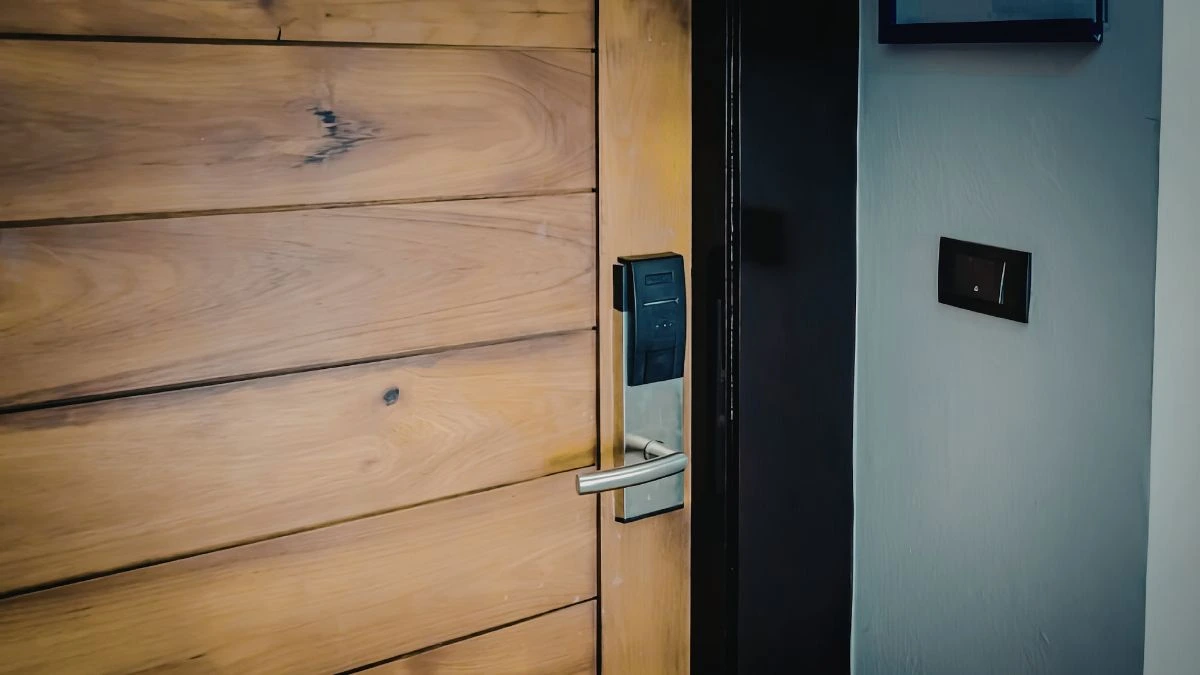
Finger jointed lumber tends to shine in the following situations:
Interior wall framing and non structural partitions where strength is adequate and cost matters. Painted door frames, window casings, and baseboards where the finish covers any joints. Fascia boards and interior trim that will be primed and painted. Any application where dimensional stability is important and visual grain is not a concern.
Solid wood is typically the better pick when:
You want exposed wood with natural grain and character. The project involves staining or clear coating. You need heavy structural performance for beams, posts, or load bearing applications. The wood will be subject to outdoor exposure over long periods. You are building furniture, cabinetry, or fine woodworking pieces where craftsmanship and appearance are central.
Which One Should You Choose?
Here is the simple truth: neither finger jointed lumber nor solid wood is universally better. They are both excellent materials that serve different purposes well.
If you are framing interior walls, installing painted trim, or working on a large project where budget matters, finger jointed lumber is a smart, practical choice. It is consistent, stable, and performs well for exactly these kinds of tasks.
If you are building something where the wood will be seen, touched, and admired, or where raw structural strength is critical, solid wood is worth the extra investment. There is a reason it has been the material of choice for skilled craftspeople for generations.
Many experienced builders actually use both on the same project, choosing finger jointed lumber for hidden framing and solid wood for exposed finishing work. That combination gives you cost efficiency where it matters and visual quality where it counts.
Conclusion
Now that you’ve understood finger jointed lumber vs solid wood, it’s time to choose. Whatever you choose, make sure you are buying from a reputable supplier who stands behind the quality of their product. Well made finger jointed lumber and well sourced solid wood are both excellent materials. The key is matching the right material to the right job, and now you have everything you need to do exactly that.
Call us if you need further help!